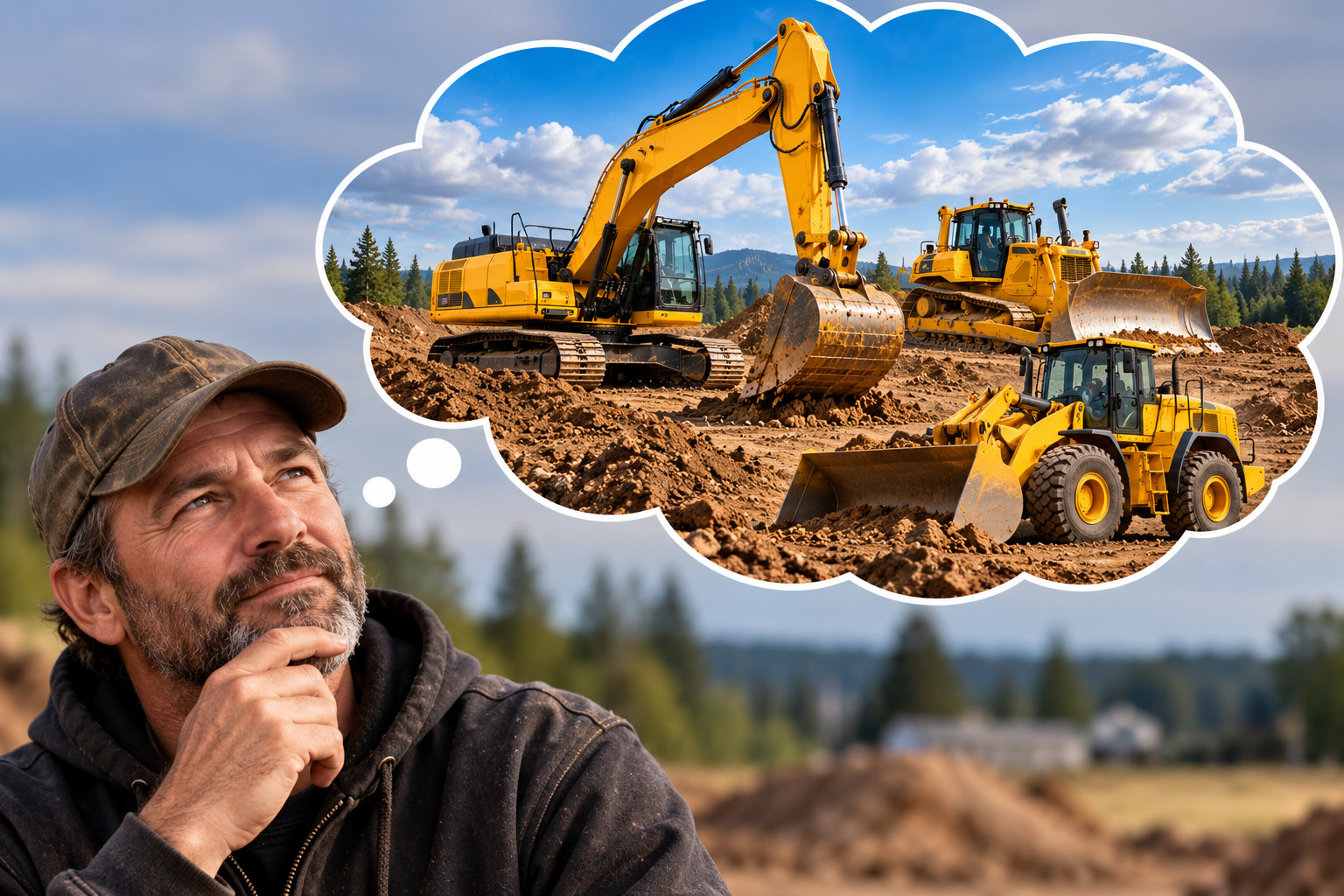
Why Are So Many Construction Machines Yellow?
The surprising history of heavy equipment colours, industrial paint, and why yellow became the unofficial colour of construction.
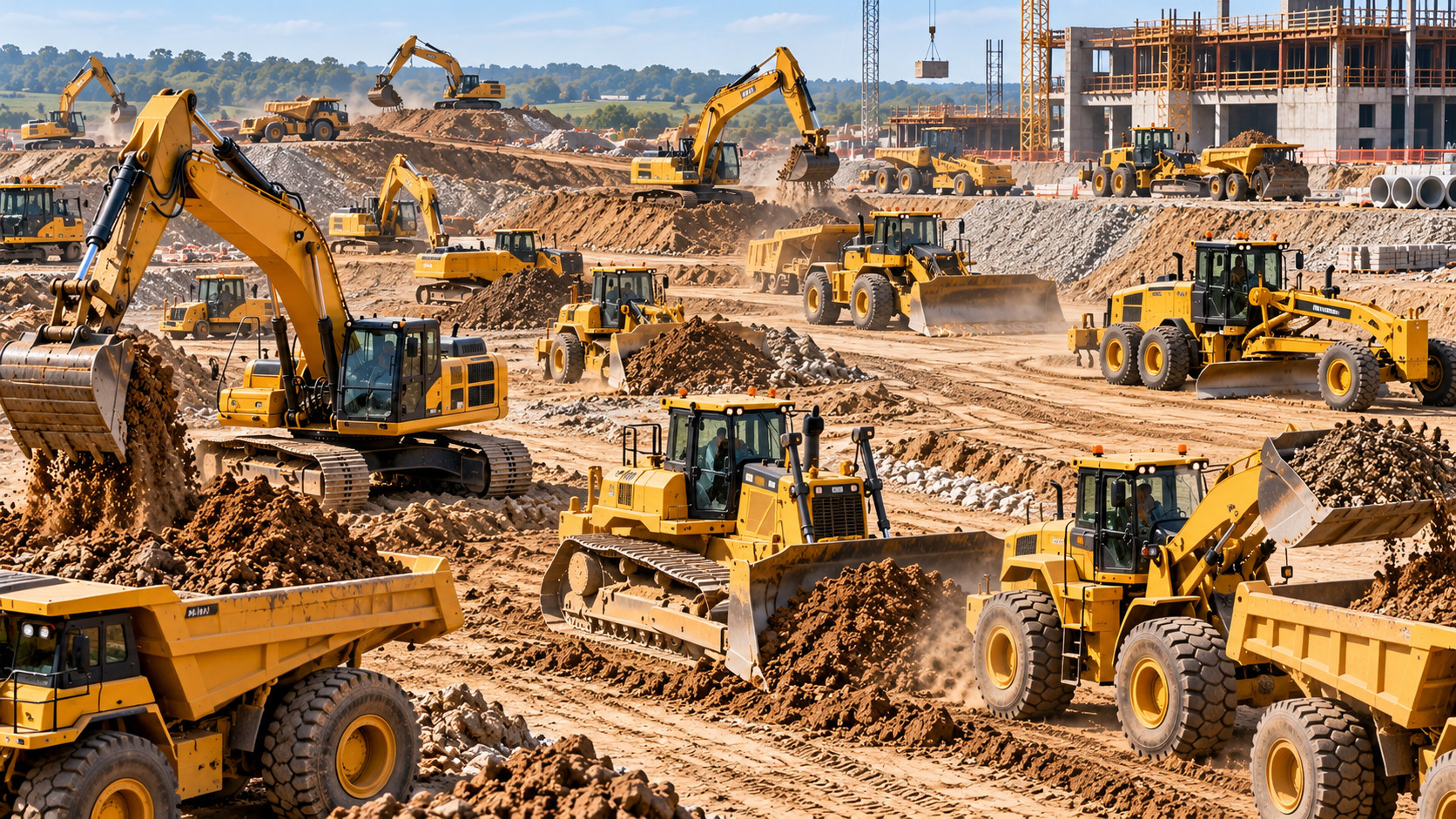
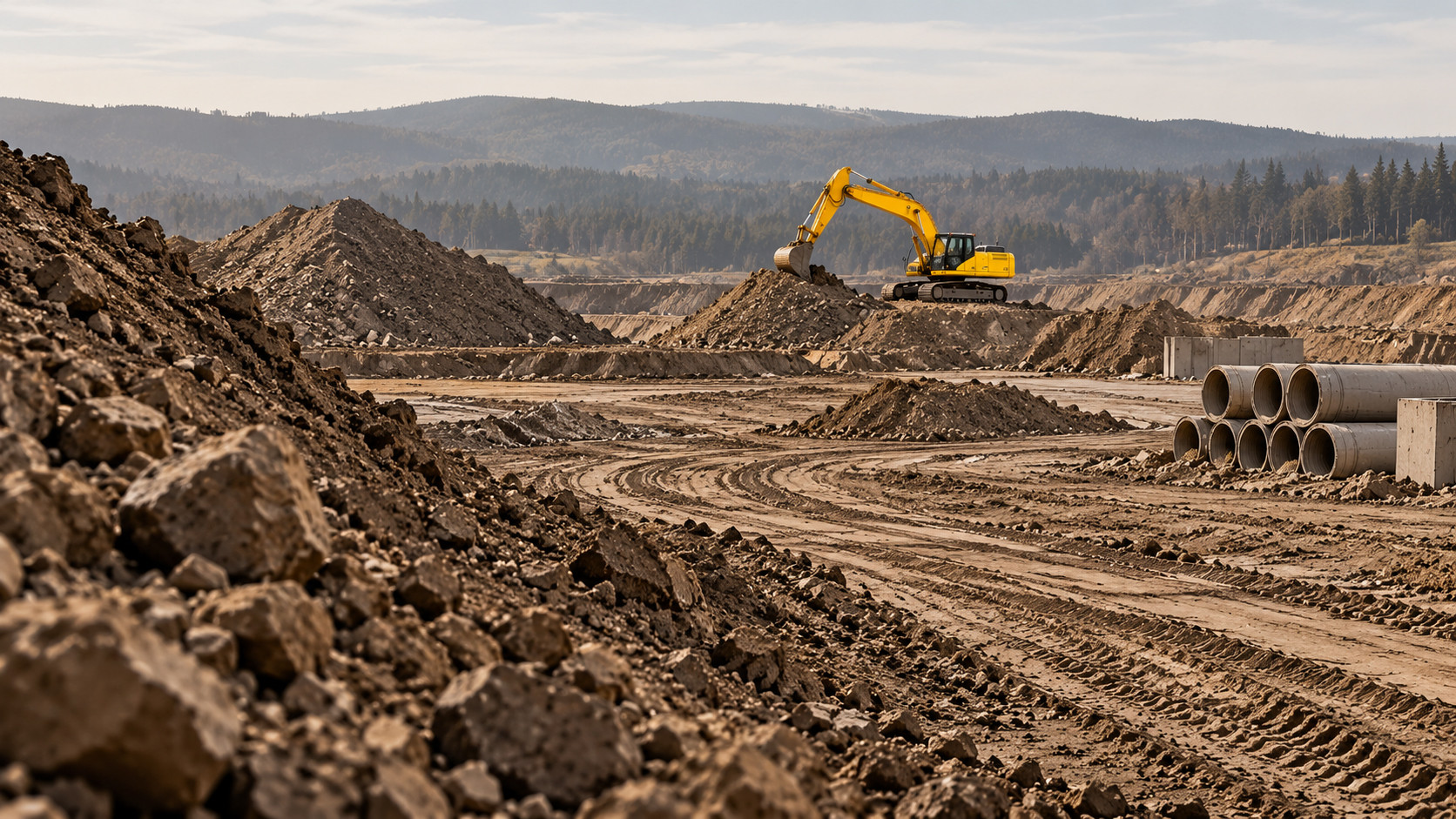
Picture a busy construction site. Excavators are digging, bulldozers are pushing earth, wheel loaders are moving material, and motor graders are preparing the ground. Despite their different jobs, manufacturers, and designs, many of these machines have one thing in common: they're yellow.
It's such a familiar sight that most people probably never question it. Yellow has become so closely associated with construction equipment that it's practically an unofficial industry uniform.
But why yellow? Who decided that construction machines should be painted this particular colour? And if yellow is supposed to make equipment safer and easier to see, why do some manufacturers use orange, green, red, or white instead?
The answer involves a fascinating combination of industrial history, marketing, visibility, and a little bit of psychology.
Construction Equipment Wasn't Always Yellow
In the early days of mechanized construction, heavy equipment came in a much wider variety of colours.
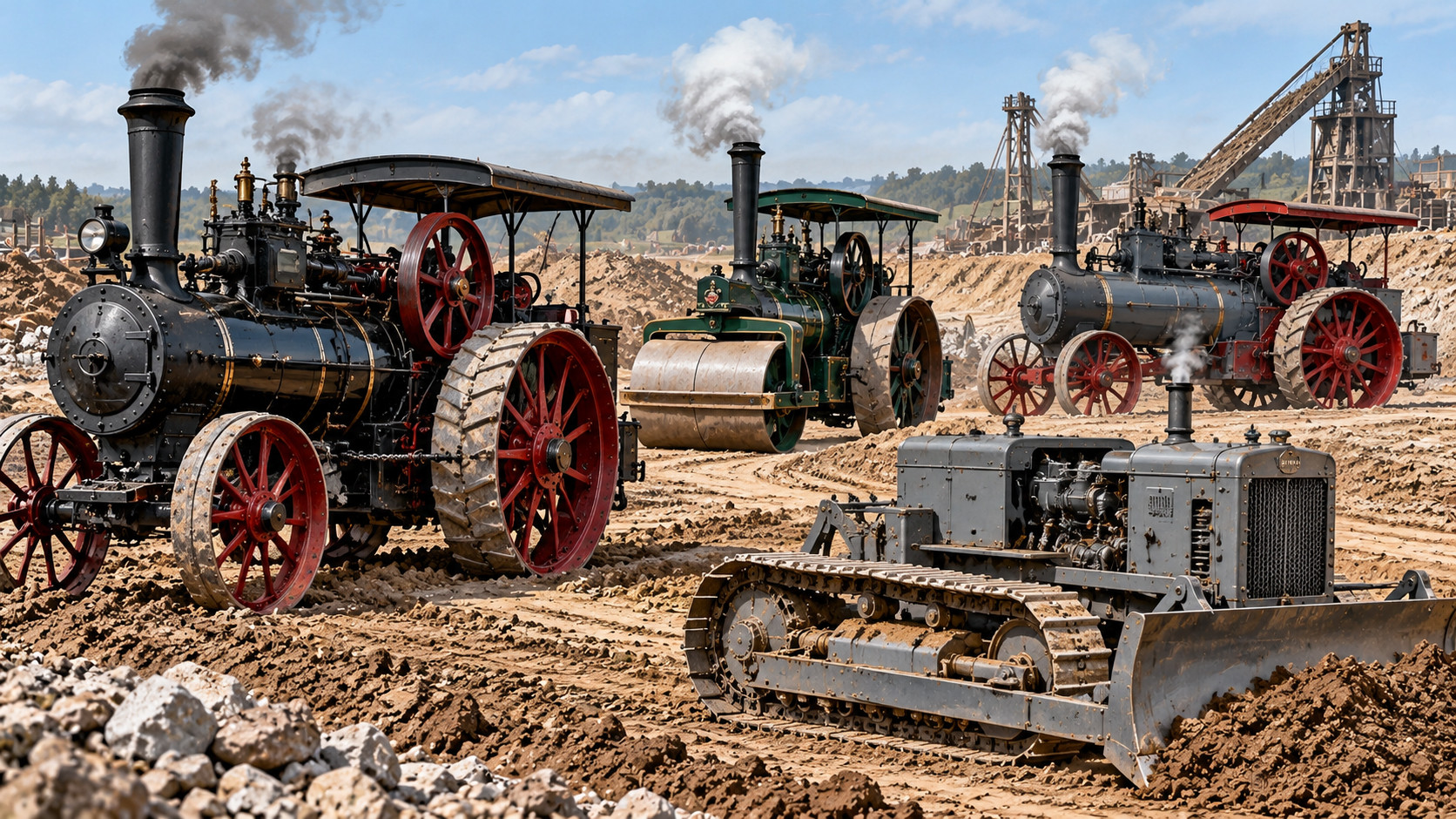
During the late 1800s and early 1900s, steam-powered tractors, road rollers, and early earthmoving machines were frequently painted in dark, practical colours. Black, dark green, grey, and red were all used.
These colours weren't necessarily selected with jobsite visibility in mind.
Paint served several important purposes. It protected metal surfaces against corrosion, helped identify manufacturers, and gave machinery a finished appearance. Manufacturers also developed distinctive colour schemes to make their equipment recognizable.
Early industrial paint choices were influenced by pigment availability, cost, durability, and manufacturing traditions.
A steam traction engine might have a black boiler, red wheels, and decorative striping. An early crawler tractor could be grey or dark green.
There was no universal colour for construction equipment, and yellow had not yet become the dominant choice.
Caterpillar Helped Turn Yellow Into an Industry Standard
One of the most important developments in the history of yellow construction equipment occurred in 1931.
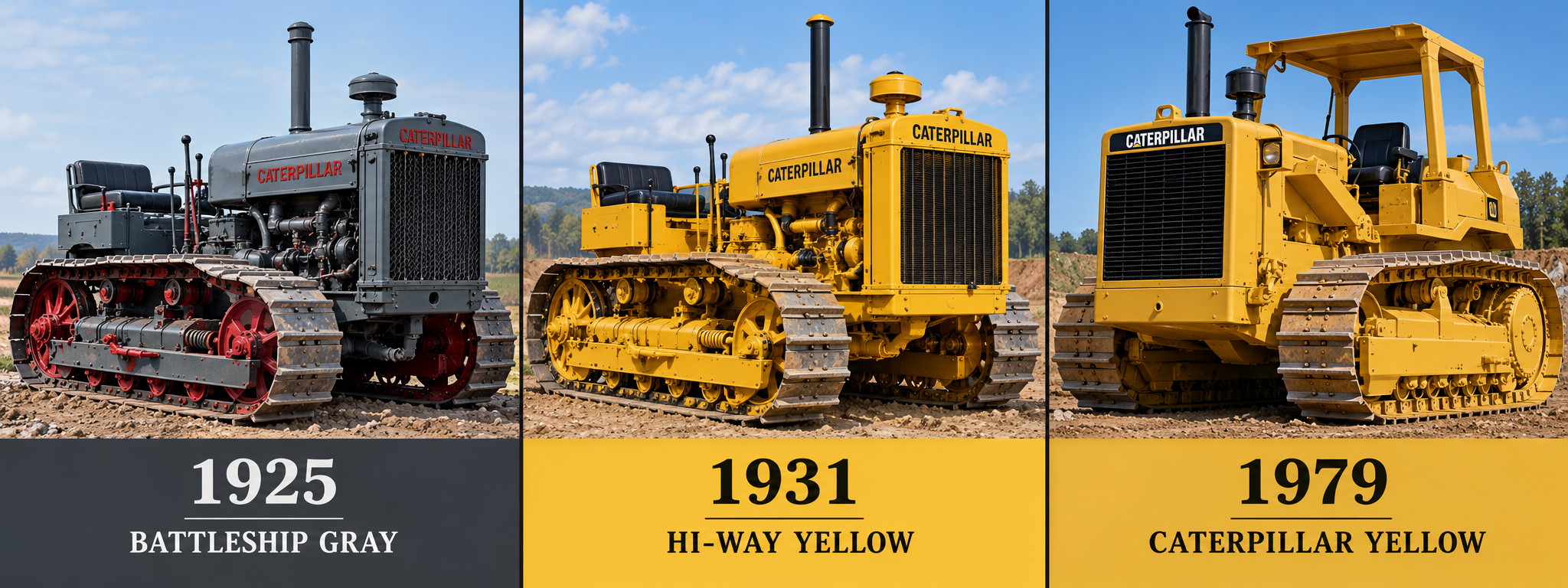
Before that year, Caterpillar tractors were commonly painted grey. The company had adopted a grey colour scheme in its early years, following the formation of Caterpillar Tractor Co. in 1925.
In 1931, Caterpillar made a major change, replacing its familiar grey finish with a distinctive yellow paint scheme featuring black lettering.
The new colour became known as Hi-Way Yellow.
The change was significant because Caterpillar was already becoming an influential manufacturer of crawler tractors and earthmoving machinery.
Yellow offered several advantages. It was more noticeable than grey in many working environments, helped distinguish Caterpillar machines from competing equipment, and created a recognizable brand identity.
As Caterpillar machines became increasingly common on construction sites, yellow became more closely associated with the entire industry.
The company eventually introduced a different shade, commonly called Caterpillar Yellow, in 1979.
Today, the distinctive yellow and black combination remains one of the most recognizable colour schemes in heavy equipment.
However, Caterpillar didn't invent yellow industrial machinery, and it wasn't the only manufacturer to recognize the advantages of bright equipment colours.
Its influence helped popularize a trend that other manufacturers would develop in their own ways.
Why Yellow Makes Sense on a Construction Site
There are practical reasons why yellow became such a popular choice.
Construction sites are visually complicated environments. Workers must identify moving machinery against backgrounds that can include soil, gravel, concrete, vegetation, steel structures, and other equipment.
A machine that stands out from its surroundings may be easier to notice.
Yellow has several characteristics that make it useful in these conditions.
1. Yellow Is Highly Noticeable
Bright yellow can create strong visual contrast against many common construction environments.
Against dark soil, asphalt, vegetation, or shadowed areas, a yellow machine may be easier to recognize than one painted grey or black.
Human vision is also particularly sensitive to light in the yellow-green region of the visible spectrum under daylight conditions.
This doesn't mean yellow is automatically the most visible colour in every situation. Visibility depends on lighting, background contrast, distance, weather, and the particular shade being used.
Nevertheless, yellow offers a useful combination of brightness and contrast in many outdoor working environments.
2. Yellow Helps Identify Moving Equipment
A construction machine may weigh tens of thousands of pounds and move in ways that aren't immediately obvious to someone standing nearby.
An excavator can swing its upper structure. A wheel loader may reverse unexpectedly. A bulldozer can change direction while pushing material.
Making the machine visually noticeable can help people recognize its presence.
However, paint colour alone cannot prevent accidents.
Modern equipment safety depends on operator awareness, designated pedestrian routes, visibility aids, lighting, alarms, communication, and proper jobsite procedures.
Yellow is a useful visual characteristic, not a substitute for those precautions.
3. Yellow Is Associated With Caution
Yellow has long been associated with warnings, hazards, and the need for attention.
It's used on many caution signs, warning labels, and industrial safety markings.
That association makes yellow a natural fit for machinery operating in environments where people must remain aware of potential hazards.
There is an important distinction, though: a yellow excavator is not the same thing as a standardized safety warning.
Equipment paint colours are generally manufacturer choices rather than universal safety requirements.
Why Not Paint Every Machine Fluorescent Orange?
If visibility is important, wouldn't fluorescent orange or lime green be even better?
In certain environments, they might be.
Fluorescent colours can be especially conspicuous in daylight because fluorescent pigments convert some ultraviolet light into visible light, increasing their apparent brightness.
That's one reason high-visibility clothing frequently uses fluorescent yellow-green, orange-red, and red.
However, coating an entire machine with fluorescent paint introduces different considerations.
Fluorescent finishes can be more susceptible to fading, depending on their formulation and exposure. They may also require specialized coating systems to maintain their appearance.
Traditional industrial yellow paints can provide a practical balance between visibility, durability, cost, and consistent colour reproduction.
Heavy equipment operates outdoors for years, often exposed to ultraviolet radiation, abrasion, chemicals, moisture, and repeated washing.
Manufacturers need paint systems that can withstand those conditions while maintaining an identifiable appearance.
The ideal colour isn't necessarily the brightest possible colour. It's one that performs well across a wide range of practical requirements.
Why Do Different Manufacturers Use Different Colours?
Although yellow dominates much of the construction equipment market, there are plenty of exceptions.
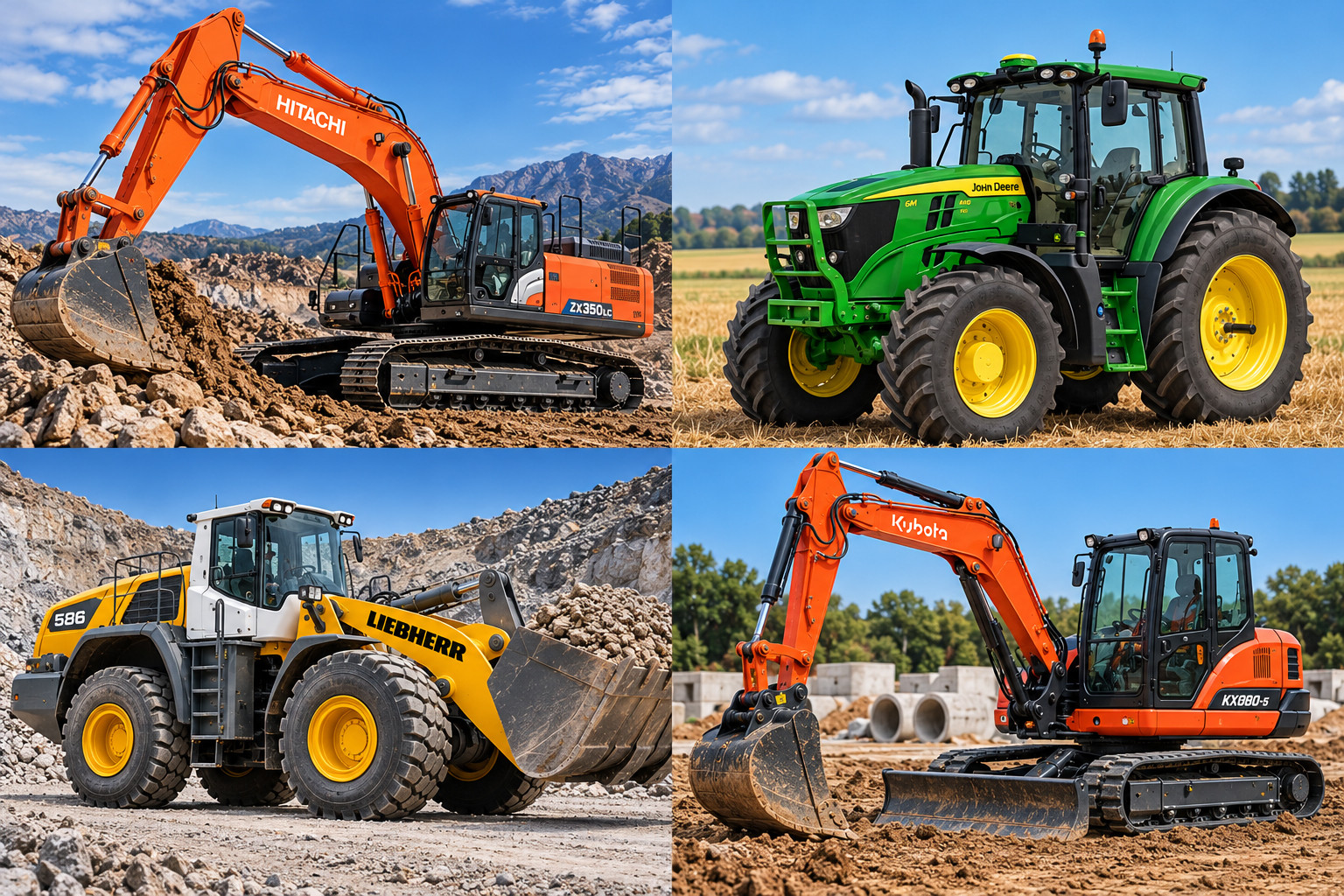
Hitachi Construction Machinery — Orange
Hitachi's distinctive orange excavators are immediately recognizable. The colour helps establish a consistent identity across its equipment lineup.
John Deere — Yellow and Green
John Deere is famous for green agricultural equipment, while much of its construction machinery is yellow. Its colour schemes help distinguish product lines and maintain brand recognition.
Liebherr — Yellow and White
Liebherr uses different colour combinations across its equipment categories, including yellow earthmoving machines and white or light-coloured machinery in certain product lines.
Kubota — Orange
Kubota's orange compact excavators and other machines demonstrate how a manufacturer can build a strong visual identity without following the industry's traditional yellow colour scheme.
These differences aren't accidental.
A distinctive colour scheme makes equipment recognizable from a distance, even when the company name or logo isn't visible.
For manufacturers, colour is an important part of branding. It can help customers identify machinery, reinforce brand loyalty, and distinguish equipment in a competitive market.
Does Yellow Equipment Stay Cleaner?
There's an interesting misconception that yellow is used because it hides dirt.
In reality, yellow machinery can show mud, grease, hydraulic oil, and other contaminants quite clearly.
However, that isn't necessarily a disadvantage.
Visible dirt and fluid leaks may help maintenance personnel notice areas that need attention.
A dark oil leak against a relatively clean yellow surface can be easier to spot than the same leak on a black surface.
Of course, detecting leaks depends on the location, lighting, cleanliness, and type of fluid. Yellow paint doesn't guarantee that a problem will be visible.
Construction equipment manufacturers also select finishes based on durability, corrosion protection, and ease of maintenance.
Modern heavy equipment coatings are engineered to withstand harsh working conditions. Their performance depends much more on the paint formulation and application process than on colour alone.
Is Yellow Construction Equipment Required by Law?
One of the most common assumptions is that construction machinery must be yellow for safety reasons.
Generally speaking, there is no universal law requiring construction equipment to be painted yellow.
Safety regulations vary by jurisdiction and may establish requirements for lighting, warning devices, visibility, and equipment operation.
However, manufacturers are usually free to select their own exterior paint colours, subject to any applicable equipment-specific rules.
This is why construction sites can contain yellow bulldozers, orange excavators, white cranes, green machines, and equipment painted in custom company colours.
Some contractors even repaint their machinery to match their corporate branding.
The important distinction is between the colour of the machine and the safety systems required for its operation.
Can You Order Heavy Equipment in a Different Colour?
Yes, although availability depends on the manufacturer, equipment model, and order specifications.
Some manufacturers offer custom paint options, particularly for larger fleet orders or specialized machinery.
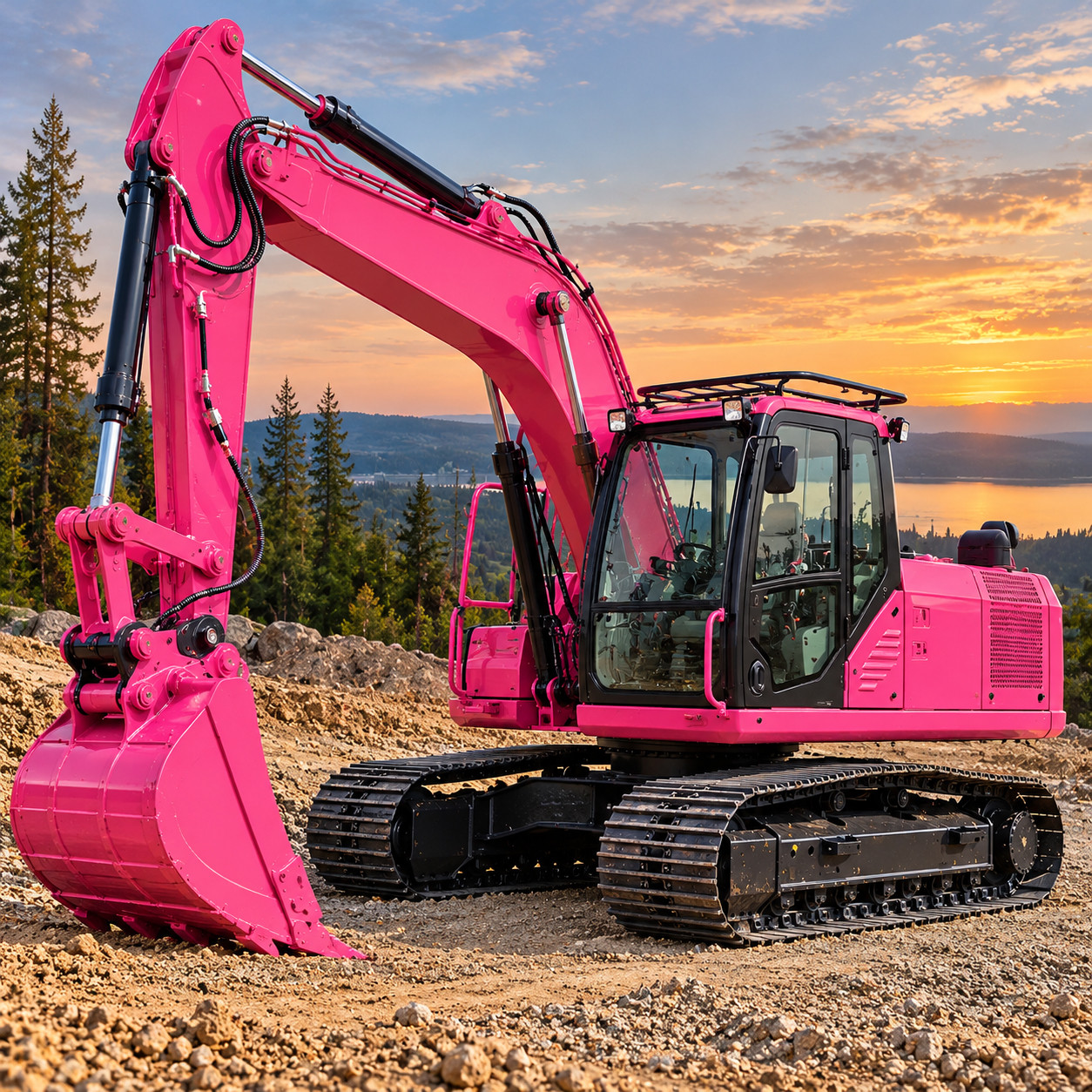
Contractors may choose custom colours to match their company branding, make their fleets easier to identify, raise awareness for special causes or distinguish their equipment from competitors.
Other companies simply repaint machines after purchasing them.
However, repainting a machine isn't always as straightforward as choosing a new colour.
Modern heavy equipment often has multiple coating layers, corrosion-resistant treatments, safety decals, and identification markings.
A proper repaint requires surface preparation, compatible coatings, and care to preserve required labels, reflective markings, and warning information.
The paint must also withstand the same demanding conditions as the original factory finish.
Will Construction Equipment Always Be Yellow?
Yellow has been associated with construction equipment for nearly a century, and there's little reason to expect it to disappear.
It's familiar, practical, and deeply connected to some of the world's most recognizable machinery brands.
However, the industry continues to evolve.
Electric construction equipment, autonomous machinery, new manufacturers, and changing corporate identities may introduce different colours and design approaches.
Some newer machines already feature contrasting panels, dark bodywork, distinctive accent colours, and lighting arrangements that give them a more modern appearance.
Visibility will remain important, but advances in cameras, sensors, proximity detection systems, and jobsite technology are expanding the ways machines and workers can detect one another.
Yellow will likely remain a dominant construction equipment colour, but it won't be the only one.
The Colour That Became a Symbol of an Industry
The next time you see a yellow excavator digging a trench or a bulldozer pushing a mountain of earth, consider how much history is behind that familiar paint job.
What began as a combination of practical colour choices and manufacturer branding evolved into one of the most recognizable visual traditions in the industrial world.
Caterpillar's decision to switch from grey to Hi-Way Yellow in 1931 played an important role, but the widespread adoption of yellow also reflects the colour's visibility and its suitability for industrial branding.
Nearly a century later, yellow has become synonymous with construction machinery.
And while manufacturers continue to experiment with different colours, one thing seems certain.
When most people picture a powerful piece of heavy equipment, chances are they're picturing something yellow.