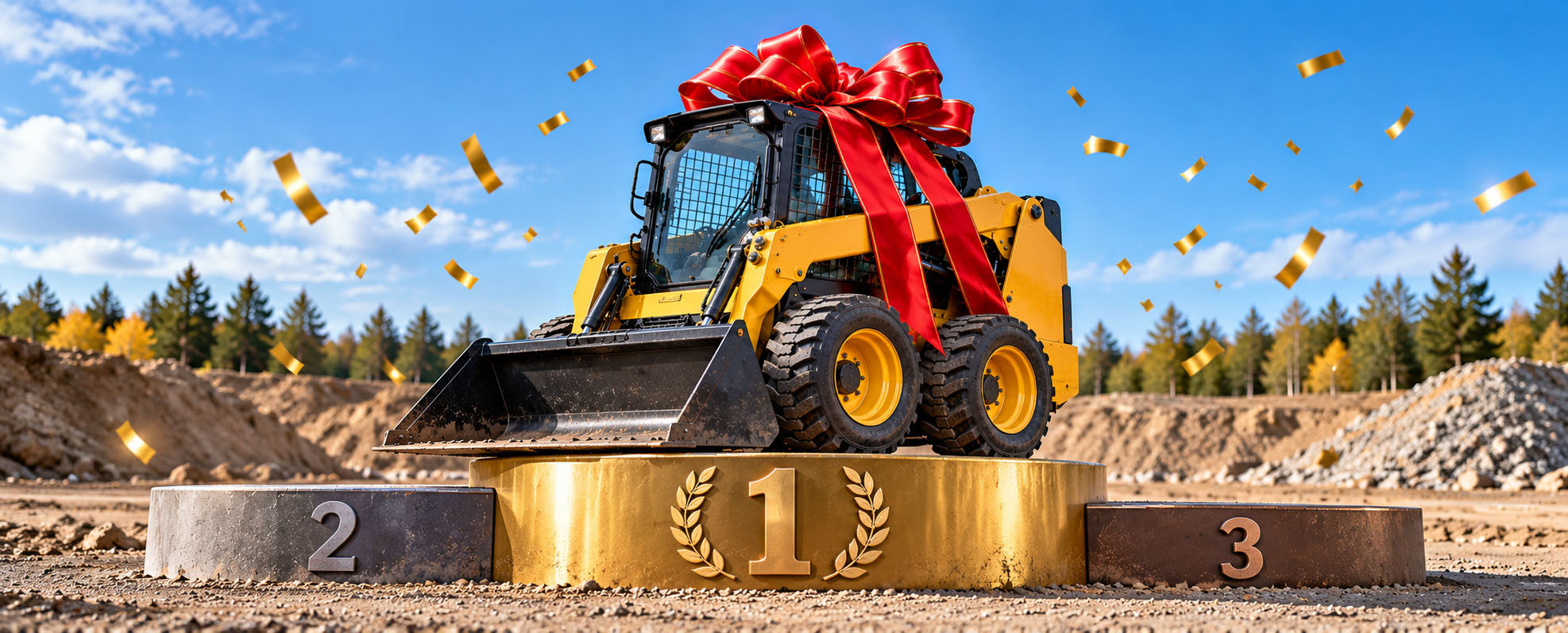
Skid Loader Buying Guide: Choosing the Right Machine for the Job
Buying a skid loader is about more than finding a machine with enough horsepower to get the job done. Whether you're a contractor expanding your fleet, a farmer looking for a versatile workhorse, or a property owner maintaining acreage, choosing the right skid loader can make a significant difference in productivity, operating costs, and long-term value.
With so many machines, attachments, specifications, and configurations available, knowing what to look for before making a purchase is essential.
A new skid loader offers modern technology, manufacturer warranty coverage, and the opportunity to select features suited to your operation. Meanwhile, used equipment can offer substantial savings, particularly for buyers who don't need the latest technology.
This guide explores the technical specifications, applications, attachments, operating costs, safety considerations, and practical buying advice that can help you choose a skid steer loader that fits your workload and budget.
Understanding Skid Loaders and How They Work
A skid loader, commonly called a skid steer loader, is a compact, highly maneuverable machine designed to perform numerous tasks using interchangeable attachments.
Unlike equipment with conventional steering systems, a skid steer turns by varying the speed and direction of the wheels on opposite sides of the machine.
This allows it to pivot within a small area, making it particularly useful on congested jobsites.
Most conventional skid steers have four wheels, although tracked compact loaders are often considered alongside them because they perform many of the same jobs.
The distinction matters when shopping. Wheeled skid steers generally offer lower initial costs, faster travel on firm surfaces, and relatively straightforward tire maintenance. Compact track loaders provide greater flotation and traction in soft or uneven ground, but their undercarriages can be expensive to maintain.
Before comparing models, consider where the machine will spend most of its working hours.
A landscaping contractor operating on established lawns may benefit from tracks, while a construction company working primarily on pavement and compacted gravel may find a wheeled machine more economical.
Lift Capacity, Horsepower, and Hydraulic Performance
Technical specifications are among the most important considerations when purchasing a skid loader.
However, bigger numbers don't automatically mean a better machine.
Rated Operating Capacity (ROC)
Rated operating capacity indicates how much weight a loader is rated to carry under specified operating conditions.
For many conventional wheeled skid steers, ROC is calculated as 50% of the machine's tipping load under the applicable rating standard.
For example, a skid steer with a 4,000-pound tipping load may have a rated operating capacity of approximately 2,000 pounds.
ROC should not be confused with maximum lifting force, and the published rating may depend on the machine's configuration.
Buyers should consider the weight of the material, bucket or attachment, and any additional equipment carried by the loader. Heavy attachments reduce the payload available within the machine's rated capacity.
Horsepower and Engine Performance
Engine horsepower influences how effectively a skid loader can power its hydraulic systems, travel under load, and handle demanding applications.
Smaller machines may offer approximately 40–60 horsepower, while larger models can exceed 100 horsepower.
For light property maintenance, a lower-horsepower machine may be sufficient. Heavy-duty grading, land clearing, and high-demand hydraulic attachments may justify a more powerful model.
Hydraulic Flow and Pressure
Hydraulic performance is especially important for buyers planning to use powered attachments.
Standard-flow hydraulic systems handle many common attachments, including general-purpose augers and grapple buckets.
High-flow systems provide additional hydraulic flow for compatible attachments such as forestry mulchers, larger cold planers, and certain snow blowers.
Hydraulic horsepower depends on both flow and pressure. Buyers should compare the attachment manufacturer's requirements against the loader's available hydraulic specifications rather than relying on engine horsepower alone.
Fuel Economy and Long-Term Operating Costs
Fuel consumption can significantly affect the lifetime cost of a skid loader, especially for contractors operating several machines.
A larger engine may provide additional power, but it can also consume more fuel when performing demanding work.
Fuel efficiency depends on several factors, including engine size, hydraulic demand, ground conditions, operator habits, and the type of work being performed.
For example, a machine performing light material handling may use considerably less fuel than the same loader operating a high-flow mulching attachment.
When comparing equipment, consider:
• Fuel consumption per productive operating hour
• Maintenance intervals and service costs
• Tire or track replacement expenses
• Hydraulic system maintenance
• Engine emissions equipment and associated servicing
A machine that uses slightly more fuel but completes a job substantially faster may deliver a lower cost per completed task.
Buyers should also investigate whether the machine uses diesel particulate filters, diesel exhaust fluid, or other emissions-control systems. Requirements vary by engine and model.
When evaluating a new skid steer loader, request estimated maintenance schedules and operating-cost information from the dealer.
The purchase price is only one part of the investment.
Skid Loader Attachments: Expanding Your Machine's Capabilities
One of the greatest advantages of owning a skid loader is its ability to operate a wide range of attachments.
With the right equipment, a single machine can perform jobs that would otherwise require several specialized machines.
Popular attachments include:
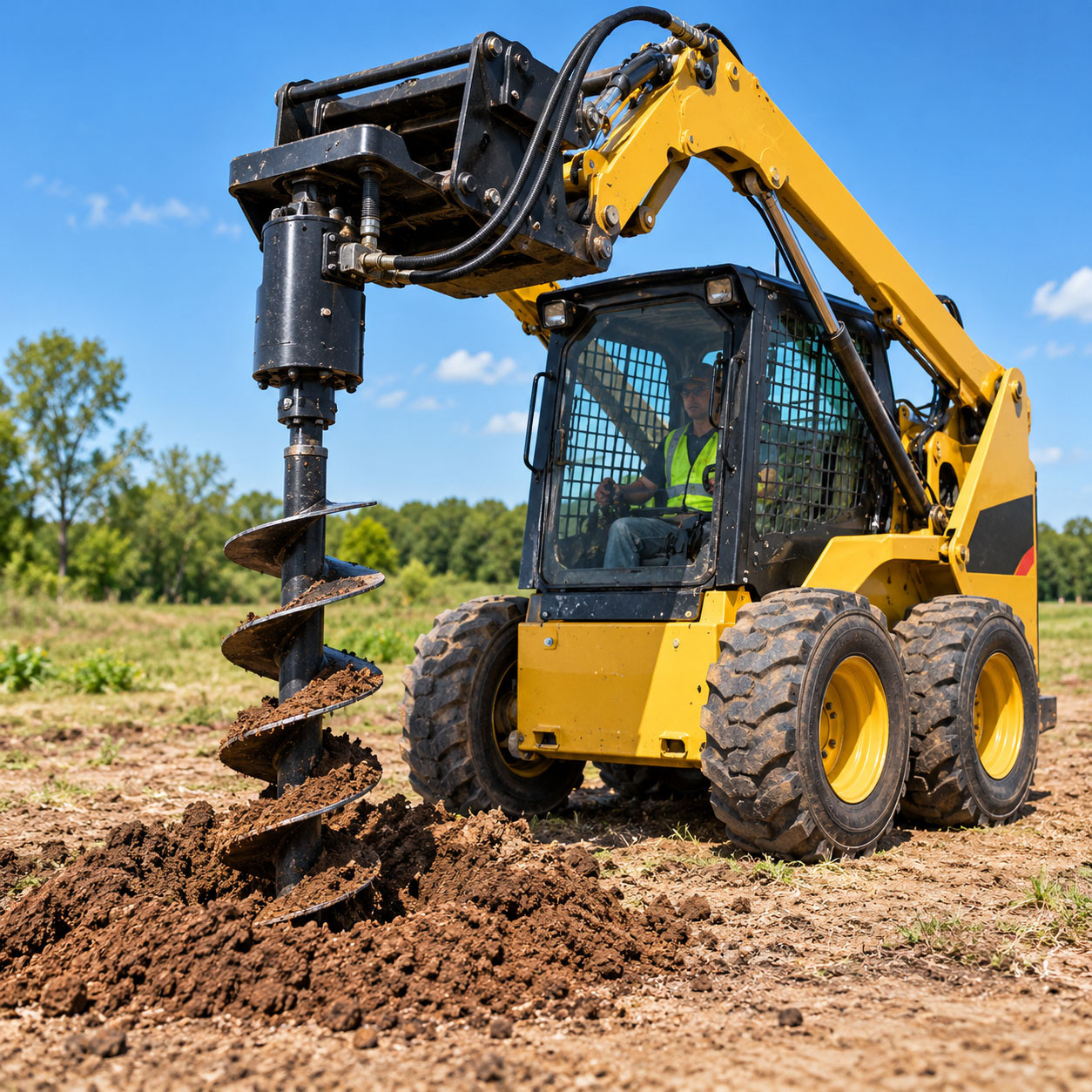
AugersHydraulic augers are used to drill holes for fence posts, foundations, landscaping, and agricultural applications. Choose the drive unit and auger bit according to soil conditions, hole diameter, and hydraulic requirements. |
 |
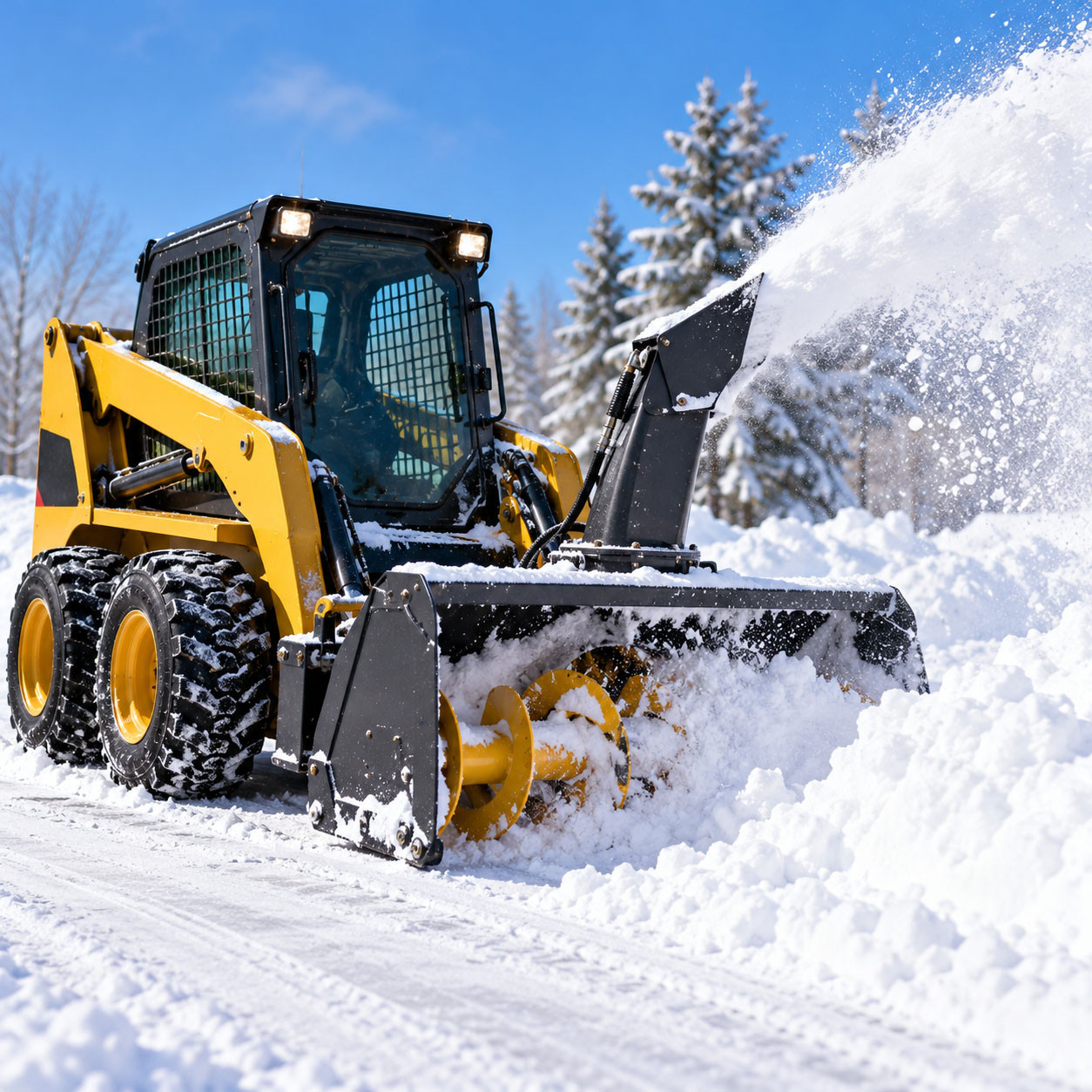
Snow BlowersSnow blower attachments are useful for clearing driveways, parking lots, industrial yards, and commercial properties. Hydraulic flow requirements vary significantly between models. |
 |
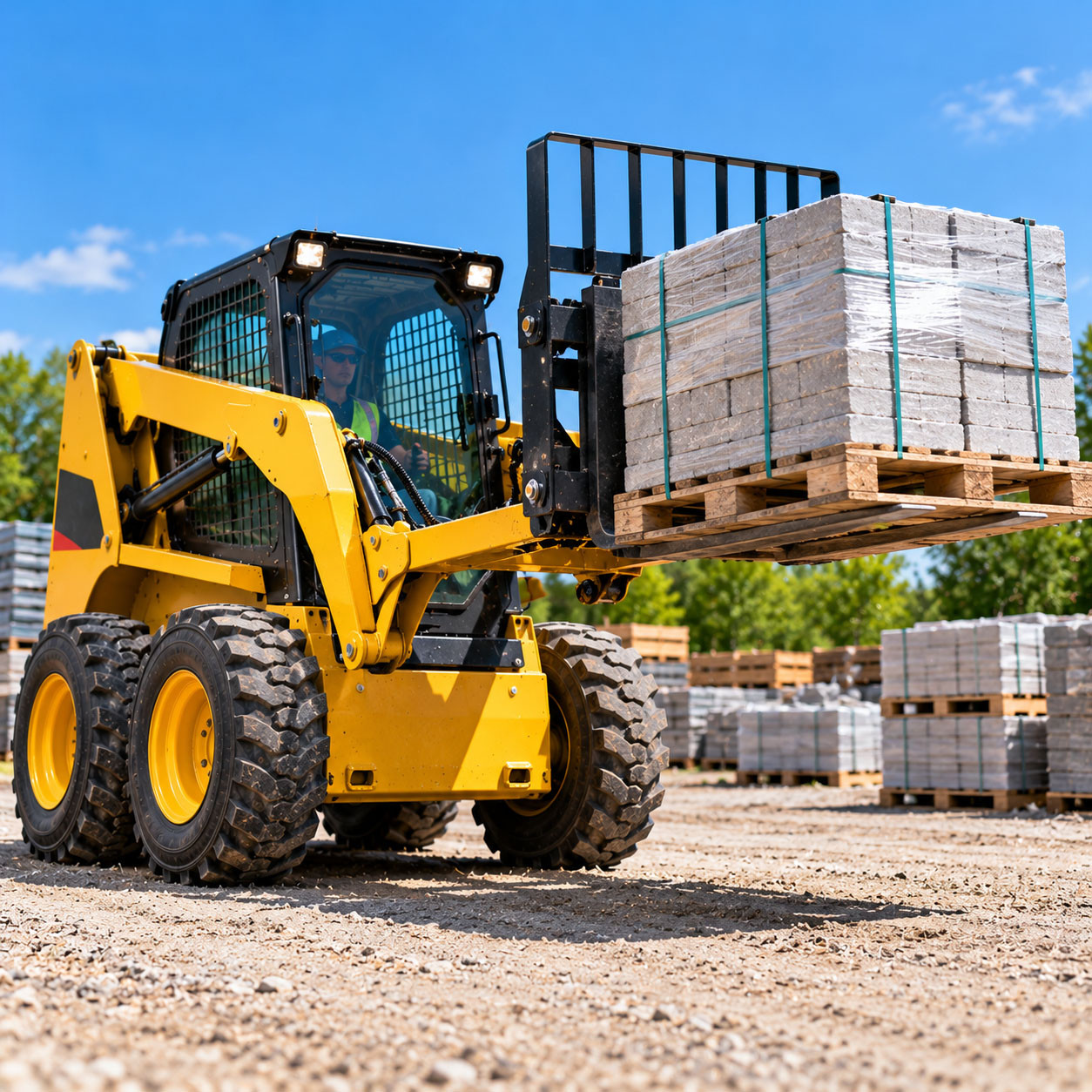
Pallet ForksForks transform a loader into a compact material-handling machine for pallets, building supplies, and agricultural products. |
 |
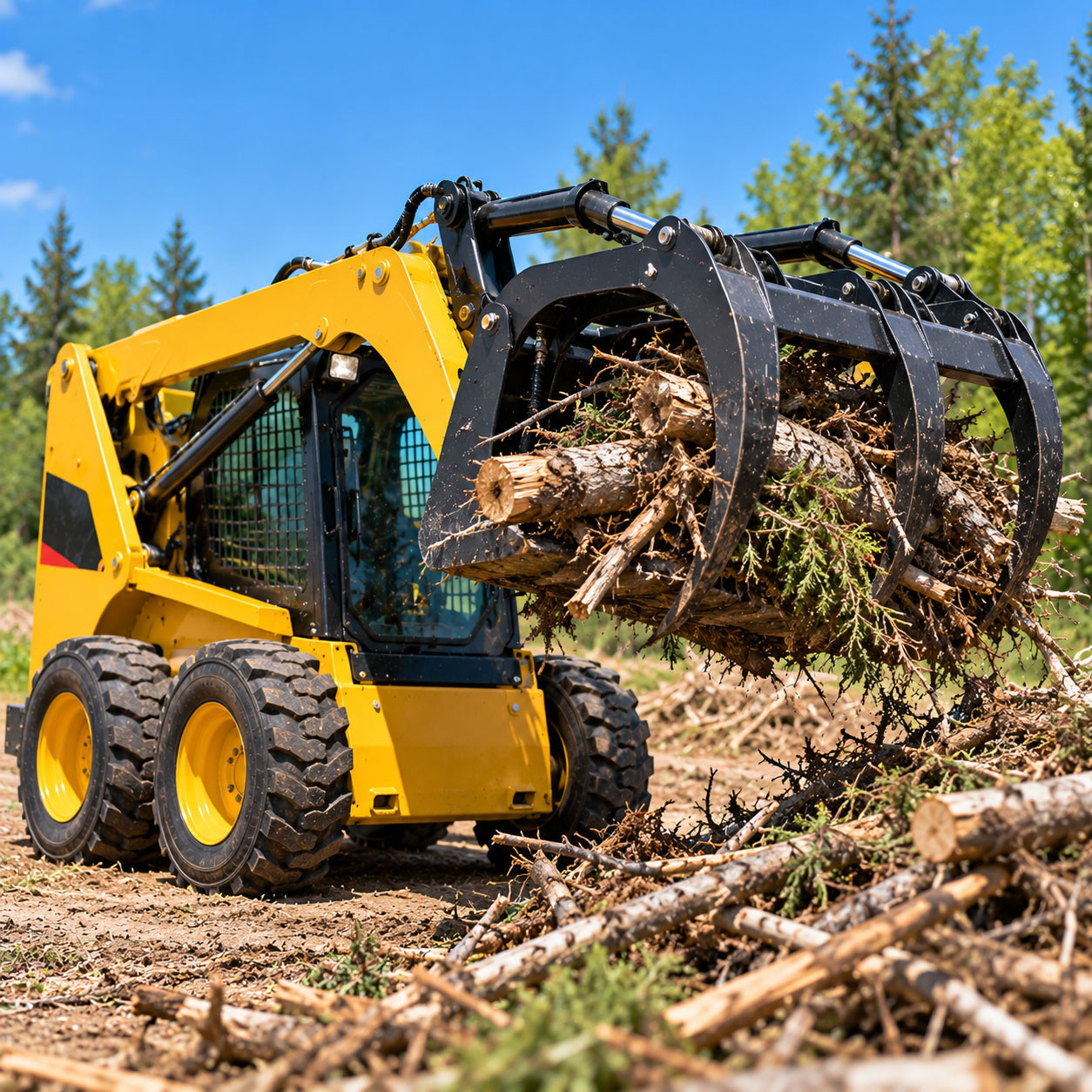
Grapple BucketsGrapples allow operators to handle branches, logs, demolition debris, scrap materials, and other irregular loads. |
 |
Other options include trenchers, brush cutters, sweepers, hydraulic breakers, landscape rakes, and soil conditioners.
When shopping for skid loader attachments, confirm that the attachment's mounting interface, hydraulic couplers, electrical connections, flow requirements, pressure rating, and weight are compatible with the machine.
Many modern loaders use a common quick-attach interface, but compatibility should never be assumed.
Buyers researching new holland skid loader attachments should pay particular attention to model-specific mounting arrangements and hydraulic capabilities, particularly when dealing with older equipment.
What Jobs Are Skid Loaders Best Suited For?
A skid loader is valuable because it can work across numerous industries.
Construction: Skid steers are frequently used for site preparation, moving gravel, loading trucks, backfilling trenches, demolition cleanup, and transporting materials around congested jobsites.
Agriculture: Farmers use skid loaders for moving feed, cleaning livestock facilities, handling bedding, clearing manure, and maintaining farmyards. Their compact dimensions are especially useful around barns and agricultural buildings.
Landscaping: From grading soil and transporting mulch to installing fencing and preparing lawns, skid loaders can perform a wide range of landscaping tasks.
Snow Removal: Equipped with buckets, blades, pushers, or snow blowers, skid steers can maintain parking lots, commercial properties, and residential developments.
Property Maintenance: A compact skid loader can be useful for acreage owners who need to move materials, maintain gravel driveways, clear brush, and perform seasonal maintenance.
The key is identifying the tasks the machine will perform most often.
A machine purchased primarily for lifting pallets should be evaluated differently from one intended for forestry mulching or winter snow removal.
Radial Lift vs. Vertical Lift: Which Is Better?
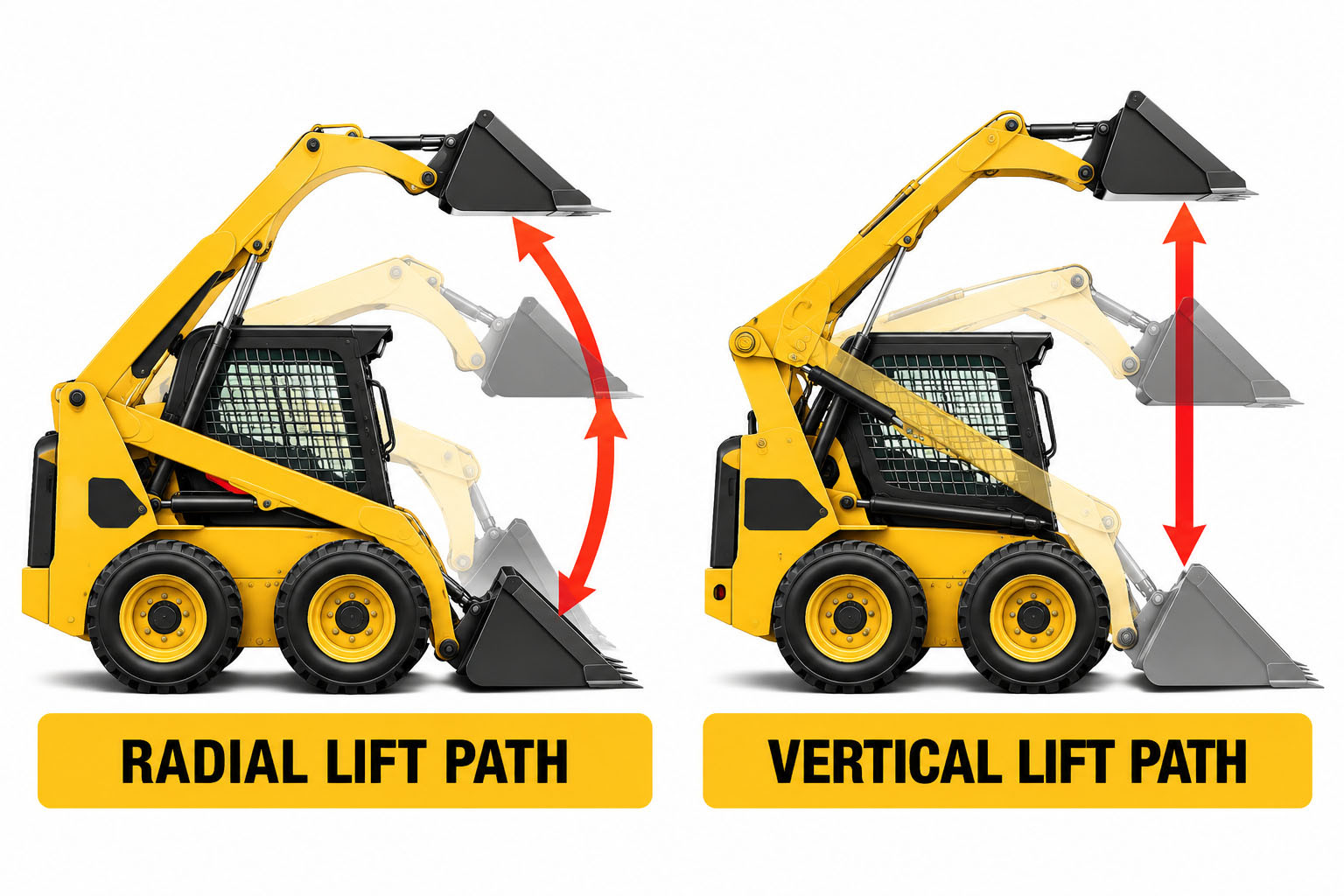
Skid steer loaders generally use one of two lift-arm configurations: radial lift or vertical lift.
Radial Lift
The bucket follows a curved path as the arms rise. Often a practical choice for digging, grading, and work performed at lower lift heights.
Vertical Lift
The linkage keeps the load farther forward at higher lift positions, making it attractive for loading trucks and stacking pallets.
Neither configuration is universally superior.
For contractors frequently loading high-sided trucks, vertical lift may provide better reach at maximum height.
For operators primarily performing excavation, grading, or ground-level material handling, radial lift may be a practical and economical choice.
Compare actual lift height, reach, rated operating capacity, and visibility rather than choosing based on lift design alone.
 Operator Comfort: Why Cab Design Matters
Operator comfort is sometimes overlooked when purchasing heavy equipment, but it can directly influence productivity.
An operator spending eight or ten hours inside a skid steer needs a workspace that supports visibility, control, and reduced fatigue.
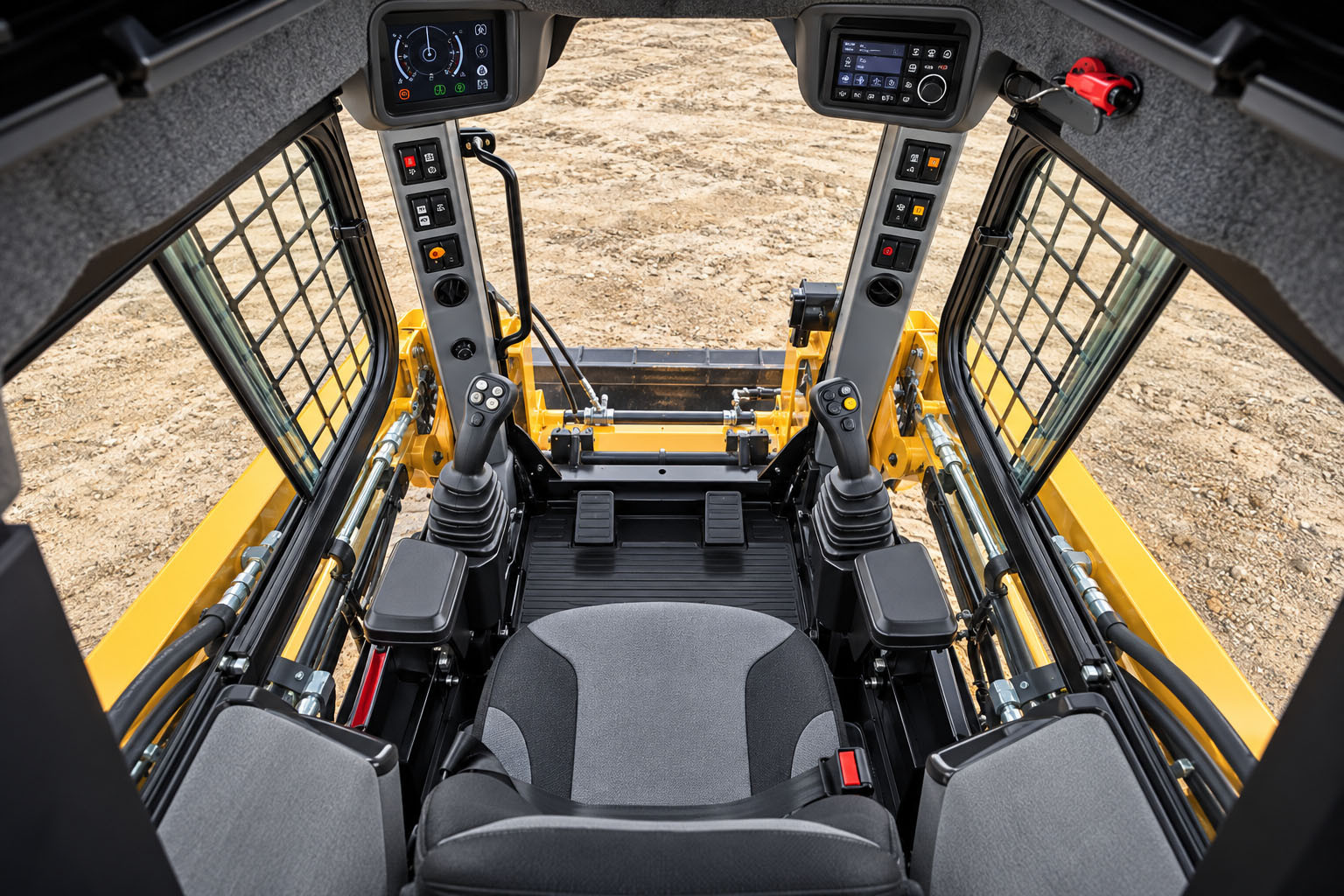
Modern loaders may offer adjustable suspension seats, enclosed cabs, heating, air conditioning, improved sound insulation, and advanced joystick controls.
For contractors working through Canadian winters, a heated cab and effective defrosting system can be particularly valuable.
Buyers should evaluate several practical considerations.
Visibility: Can the operator clearly see the bucket edges, attachment, and surrounding work area? Rear cameras and improved cab designs can help reduce blind spots, but they do not eliminate them.
Controls: Some operators prefer traditional hand-and-foot controls, while others favour selectable joystick controls. The right configuration often depends on experience and the tasks being performed.
Cab Access: Entering and exiting the machine should be practical and safe. Check the condition and placement of steps, handholds, and restraint systems.
Noise and Vibration: Reduced noise and vibration can improve comfort during extended operating periods.
Whenever possible, arrange a demonstration before purchasing. A machine that looks excellent on paper may feel very different after several hours of operation.
Safety Features and Operator Training
Skid steer loaders are powerful machines operating in confined spaces, often around workers, vehicles, buildings, and other equipment.
Proper safety systems and operator training are essential.
Buyers should look for machines equipped with rollover protective structures (ROPS), falling object protective structures (FOPS), appropriate operator restraints, functioning interlocks, and emergency shutdown provisions.
Operators should understand the manufacturer's procedures for entering and exiting the cab, securing attachments, travelling with loads, and working on slopes.
Training should also address the following hazards:
• Tipping caused by excessive loads or uneven terrain
• Contact with workers in blind spots
• Raised lift arms and unsupported attachments
• Hydraulic injection injuries
• Unexpected machine or attachment movement
• Overhead obstructions and buried utilities
Operators should never bypass safety interlocks or work beneath raised lift arms without the manufacturer's approved lift-arm support properly installed.
Training requirements vary by jurisdiction and workplace. Employers should verify applicable regulations and ensure operators are competent on the specific equipment they use.
When purchasing a machine, ask whether the dealer provides operator familiarization, manuals, and training resources.
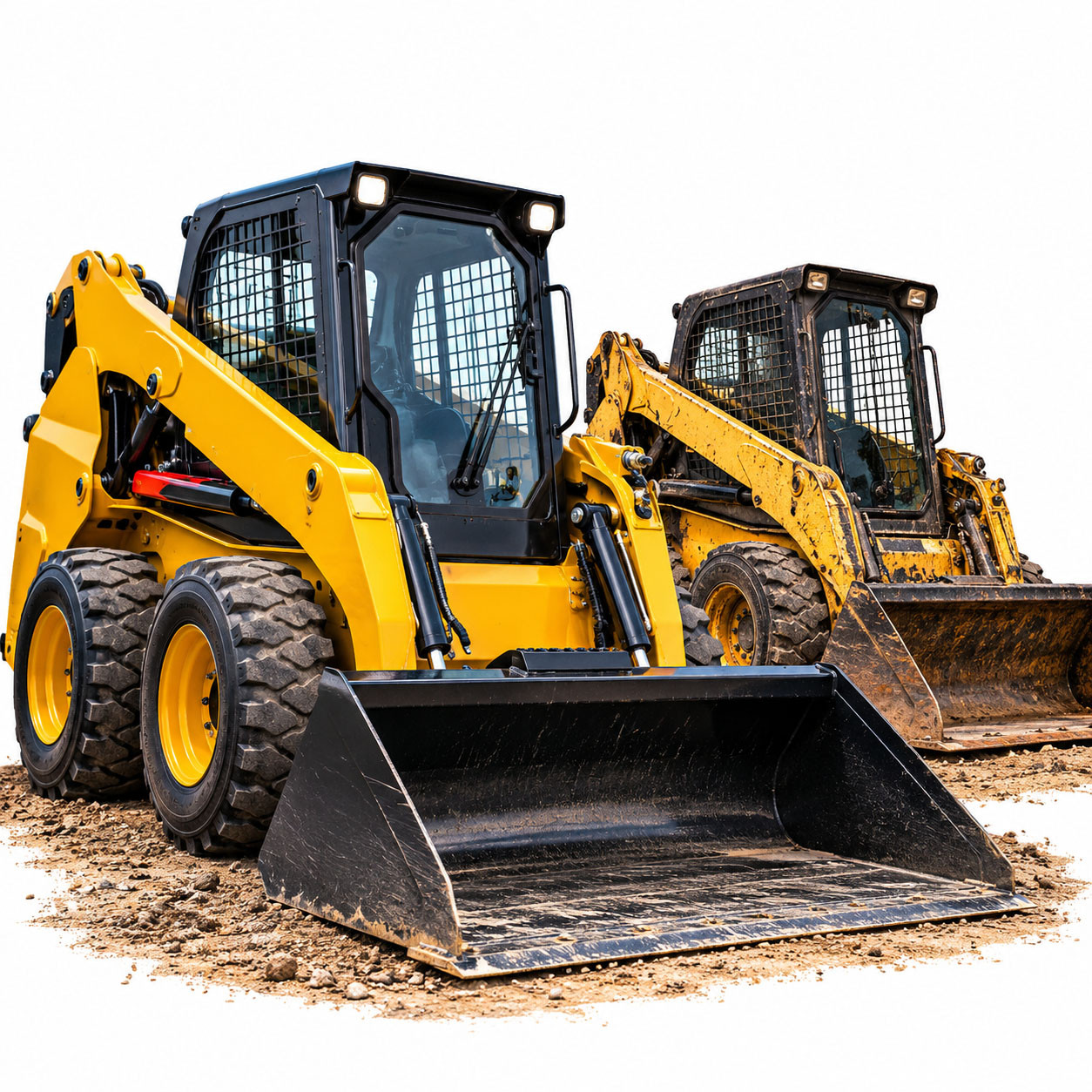
New vs. Used Skid Loaders: Which Offers Better Value?The decision between purchasing new equipment and considering used skid loaders depends on budget, expected annual usage, maintenance capabilities, and the importance of warranty protection. A new machine offers several potential advantages, including modern emissions technology, updated operator controls, warranty coverage, and the ability to specify equipment for particular applications. Financing programs may also make new equipment attractive to businesses managing cash flow. However, depreciation is an important consideration. Used equipment can provide excellent value, especially for businesses that operate machines intermittently or have experienced maintenance personnel. When inspecting a used machine, pay attention to engine starting performance, hydraulic leaks, unusual noises, excessive play in lift-arm pins and bushings, tire condition, frame damage, and maintenance records. Hour meters provide useful information, but hours alone don't reveal how a machine was treated. A well-maintained loader with 3,000 hours may be a better investment than a neglected machine with considerably fewer hours. Review the service history, confirm the serial number, inspect attachment couplers, and arrange an independent mechanical inspection when appropriate. Buyers should also verify ownership, check for outstanding liens, and confirm parts availability before completing a purchase. |
 |
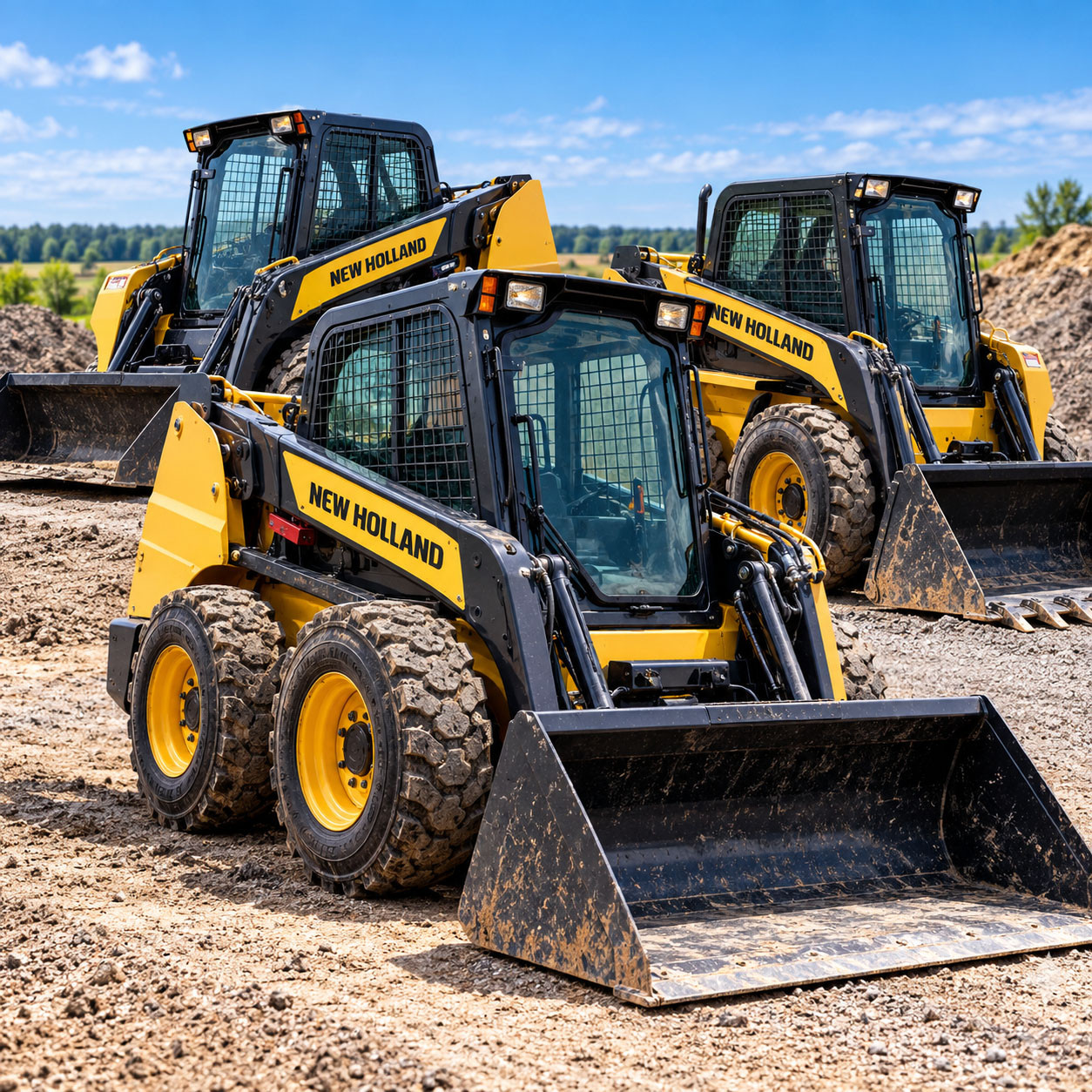
Buying Older New Holland Skid LoadersSome buyers researching older equipment encounter model names such as the new holland 1218 skid loader, new holland 1218 skid steer loader, new holland 1225 skid loader, new holland 1220 skid loader, new holland 1785 skid loader, and new holland 1785 skid steer loader. These exact model designations should be verified carefully before ordering parts or purchasing a machine. They may reflect incorrectly transcribed model numbers or seller listing errors. New Holland has manufactured numerous skid steer models, including the L218, L220, L225, and older L-series machines. Its official historical model information can help buyers identify equipment accurately. Correct identification is especially important when ordering hydraulic components, engine parts, replacement controls, or attachments. |
 |
How to Compare Skid Loader Reviews and Dealer Support
Online skid load reviews can provide useful insight into machine reliability, operator comfort, maintenance accessibility, and real-world performance.
However, buyers should distinguish between manufacturer specifications, professional equipment evaluations, and individual owner experiences.
A negative review may reflect poor maintenance or an application the machine wasn't designed to handle. Similarly, a positive review from someone performing occasional light work may not reflect the demands of commercial construction.
Look for recurring feedback about hydraulic performance, service accessibility, parts availability, fuel consumption, and common mechanical problems.
Dealer support is equally important.
A lower-priced machine may become expensive if replacement parts are difficult to obtain or local service technicians are unfamiliar with the model.
Ask about parts inventory, service response times, warranty exclusions, and access to replacement equipment during major repairs.
Questions to Ask Before Buying a Skid Loader
Before committing to a purchase, evaluate the machine against your actual operating requirements.
|
Buying consideration |
What to ask |
|
Lift capacity |
Can it safely handle my heaviest typical load? |
| Hydraulic performance | Will it operate my preferred attachments? |
|
Machine dimensions |
Will it fit through gates, doorways, and confined areas? |
|
Ground conditions |
Are wheels or tracks more appropriate? |
|
Operator comfort |
Is the cab suitable for long shifts and seasonal conditions? |
|
Operating costs |
What are the expected fuel, service, and wear-part expenses? |
|
Dealer support |
Are parts and qualified service technicians readily available? |
|
Transportation |
Can my truck and trailer legally and safely transport it? |
|
Resale value |
Is there established demand for this model in my market? |
For a skid steer loader new to your operation, consider renting a comparable model before making a purchase.
A short rental can reveal practical issues that specification sheets cannot, including visibility limitations, insufficient hydraulic performance, awkward controls, or unexpected transportation challenges.
Choosing the Best Skid Loader for Your Needs
The best skid loader isn't necessarily the biggest, most powerful, or most expensive model available.
It's the machine that can safely and efficiently complete the work you perform most often while keeping operating expenses manageable.
For a landscaping company, maneuverability and attachment versatility may be the deciding factors.
For an agricultural operation, lifting capacity, reliability, and access to service may matter most.
For a snow removal contractor, cab heating, hydraulic flow, traction, and attachment compatibility can determine whether the machine is productive during demanding winter conditions.
Take the time to compare specifications, inspect equipment, evaluate dealer support, and consider the full cost of ownership.
A carefully selected skid loader can serve as one of the most versatile machines in an equipment fleet, handling everything from construction and material handling to landscaping, agriculture, and seasonal maintenance.
Ready to find your next skid loader? Explore heavy equipment listings at HeavyEquipment.com and connect directly with equipment sellers to find a machine suited to your workload and budget.