Laid Off for Winter? How Heavy Equipment Operators Can Find Off-Season Work
For many heavy equipment operators, the arrival of winter means more than freezing temperatures and shorter days. It can also mean the end of the construction season, a temporary layoff, and the uncertainty of when the next paycheque will arrive.
Seasonal layoffs are a familiar reality in parts of the heavy equipment industry, particularly in regions where frozen ground, heavy snowfall, and reduced construction activity bring certain projects to a halt.
But just because one construction season has ended doesn't mean there aren't opportunities to keep earning.
Heavy equipment operators possess valuable skills that extend well beyond traditional construction sites. From snow removal and winter road maintenance to industrial operations and equipment servicing, there are ways to put that experience to work until spring.
The challenge is knowing where to look, which employers are hiring, and how to make your existing skills attractive to businesses operating through the colder months.

Look for Industries That Get Busier During Winter
While some construction projects slow down, other industries experience their busiest periods when temperatures drop.
Instead of searching exclusively for traditional heavy equipment operator positions, consider industries where winter creates additional demand.
Snow Removal and Winter Road Maintenance
|
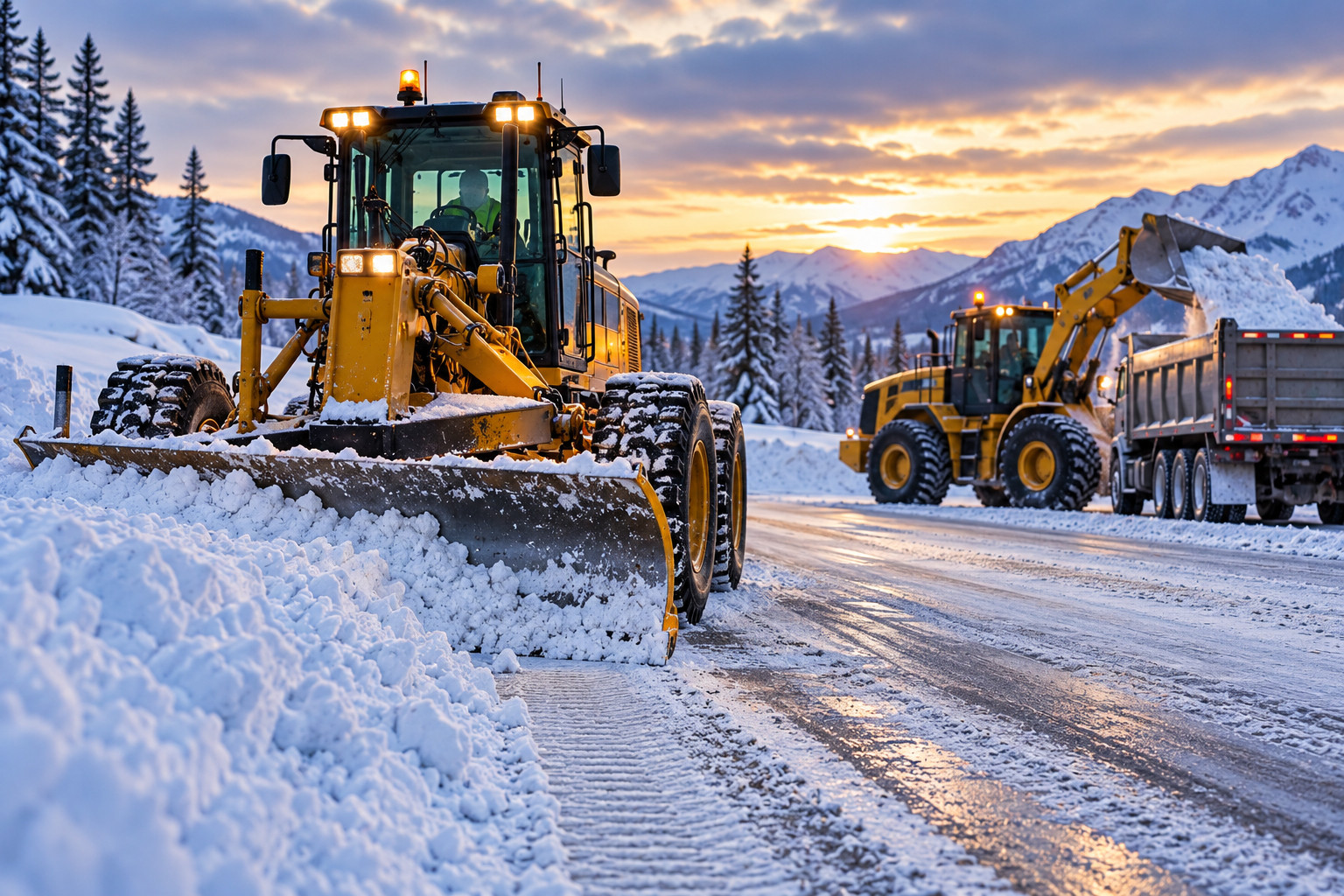
Snow removal is one of the most obvious opportunities for operators looking for seasonal winter employment. Municipalities, airports, commercial property management companies, and private snow removal contractors rely on equipment operators to keep roads, parking lots, industrial yards, and transportation facilities accessible. Equipment commonly used includes: • Wheel loaders equipped with snow buckets or plows Operators with experience handling large machinery in confined spaces, working around traffic, or operating in poor visibility may be particularly attractive to employers. One consideration is that snow removal often involves irregular hours. Operators may be called in overnight, on weekends, or during severe storms. Job-search tip: Don't wait for the first major snowfall. Many snow removal contractors begin recruiting and arranging their winter crews well before the season begins. |
 |
Explore Winter Construction and Industrial Projects
Not every construction project shuts down when the snow arrives.
Some sectors operate throughout the year, and others schedule particular activities during winter because frozen ground can make certain locations more accessible.
Oil and Gas Operations
|
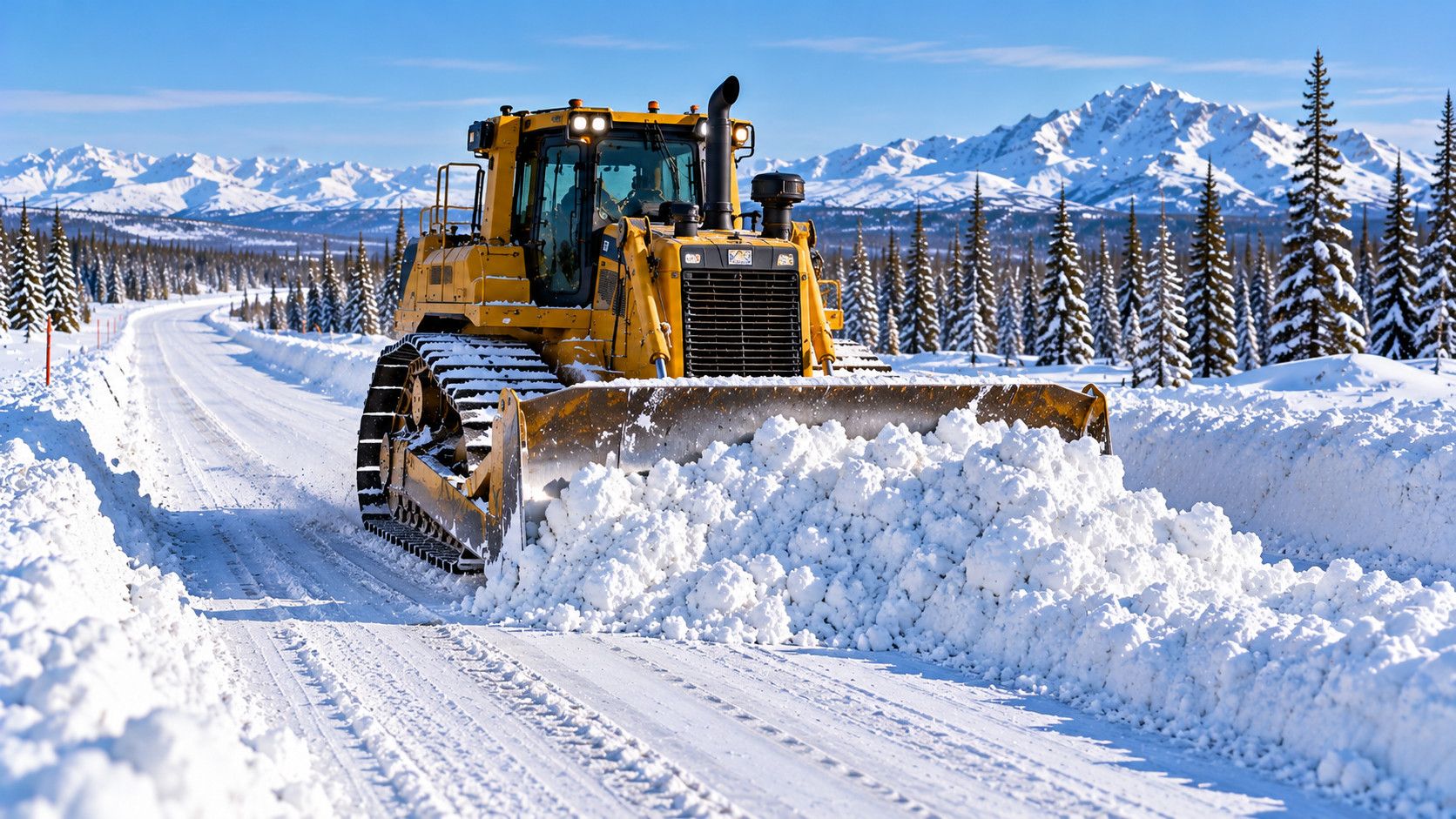
In regions with active oil and gas industries, winter can create opportunities for experienced equipment operators. Projects may include site preparation, access road construction, pipeline work, drilling support, and industrial maintenance. In some northern locations, frozen terrain allows equipment to access areas that would be difficult to reach during warmer months. Depending on the project, employers may require additional safety training, experience with specialized equipment, or a willingness to work in remote camps. |
 |
Mining and Quarry Operations
|
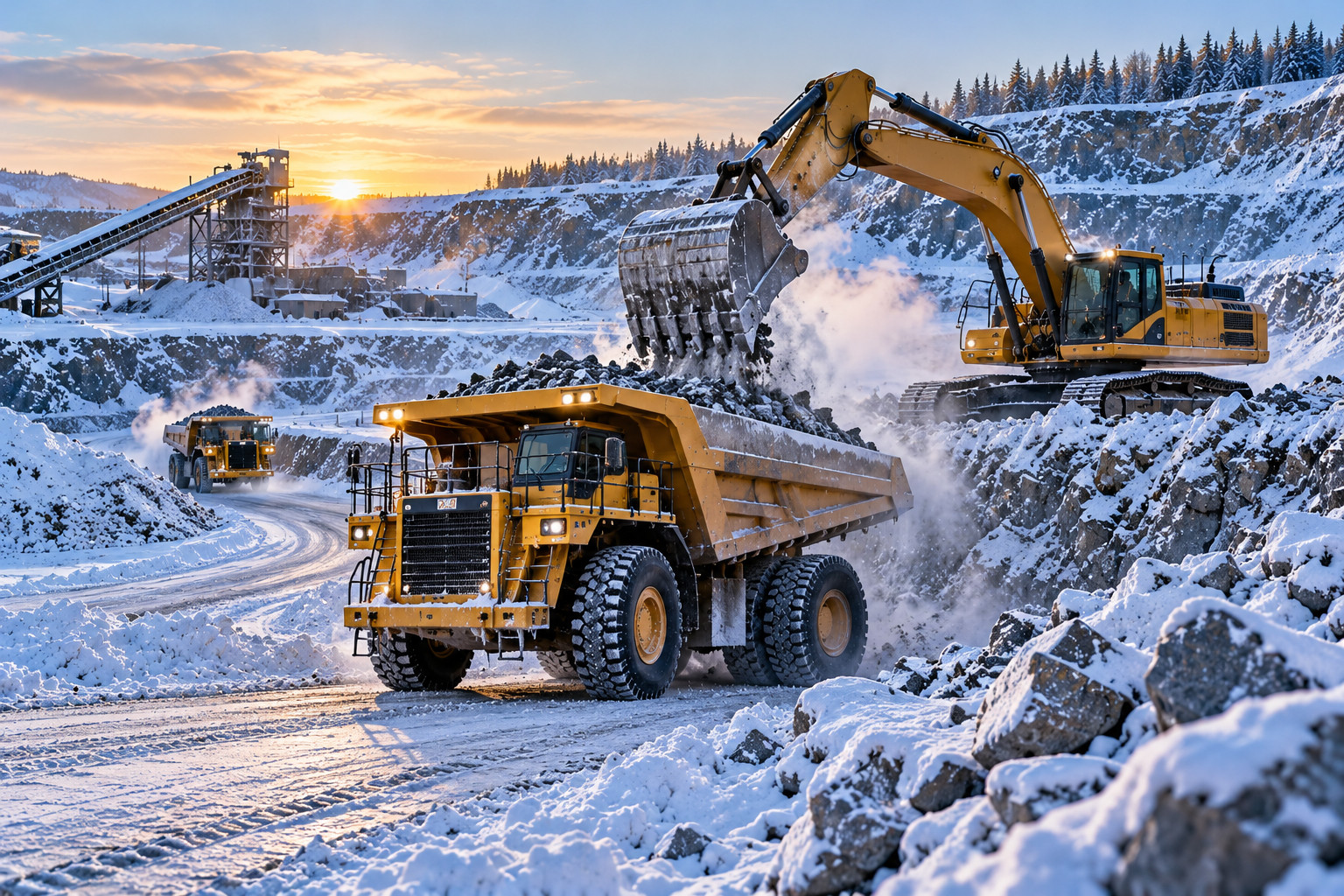
Unlike many seasonal construction projects, numerous mining operations continue throughout the year. Mines, aggregate facilities, and material-handling operations employ equipment operators to move materials, maintain haul roads, load trucks, and support production. Operators with experience using loaders, excavators, haul trucks, or bulldozers may find that their skills transfer well to these environments. However, mining employers may have different training requirements and operating procedures than traditional construction companies. |
 |
Warehousing, Recycling, and Material Handling
|
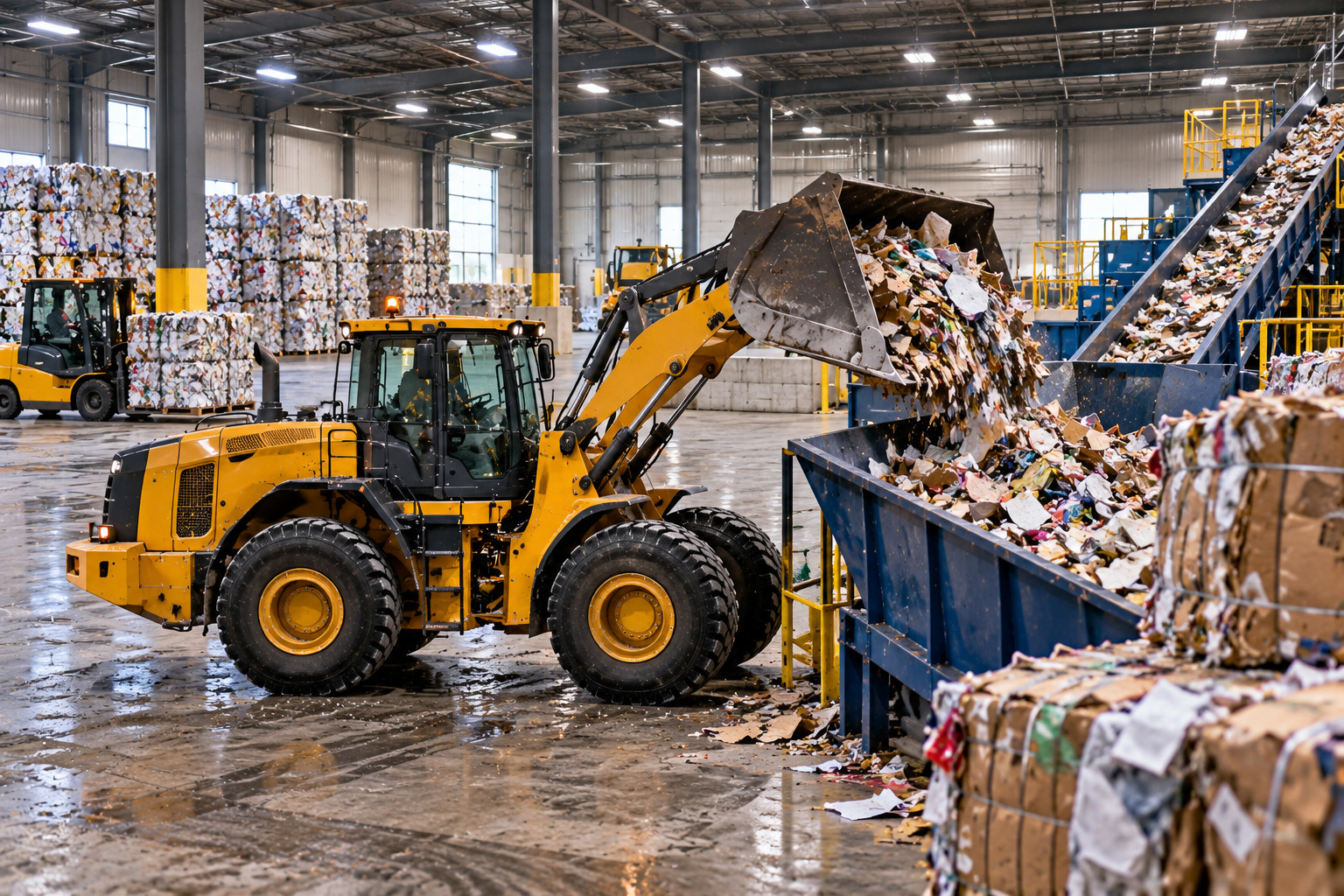
Equipment operators sometimes overlook industrial facilities because they don't resemble conventional construction sites. Recycling centres, lumber yards, bulk material terminals, waste management facilities, and manufacturing plants may operate year-round. Some use wheel loaders, material handlers, skid steers, and other equipment that construction operators already know how to operate. Even when the machinery differs, experience with hydraulics, load stability, equipment inspections, and safe material handling can be valuable. |
 |
Consider Equipment-Related Jobs That Don't Involve Operating All Day
|
Your experience as an operator can be useful even when you're not sitting behind the controls. Heavy equipment dealerships, rental companies, repair facilities, and construction businesses sometimes need employees who understand machinery from an operator's perspective. Potential opportunities include equipment yard attendant, rental fleet coordinator, equipment delivery driver, shop assistant, parts department employee, and equipment inspector. An experienced operator may recognize unusual machine behaviour, understand basic maintenance procedures, or know how to inspect equipment for obvious damage and wear. That knowledge can be an advantage over applicants who have never worked around heavy machinery. However, specialized mechanical repairs, commercial driving, and certain inspection duties may require additional qualifications or certifications. |
 |
Contact Equipment Rental Companies
|
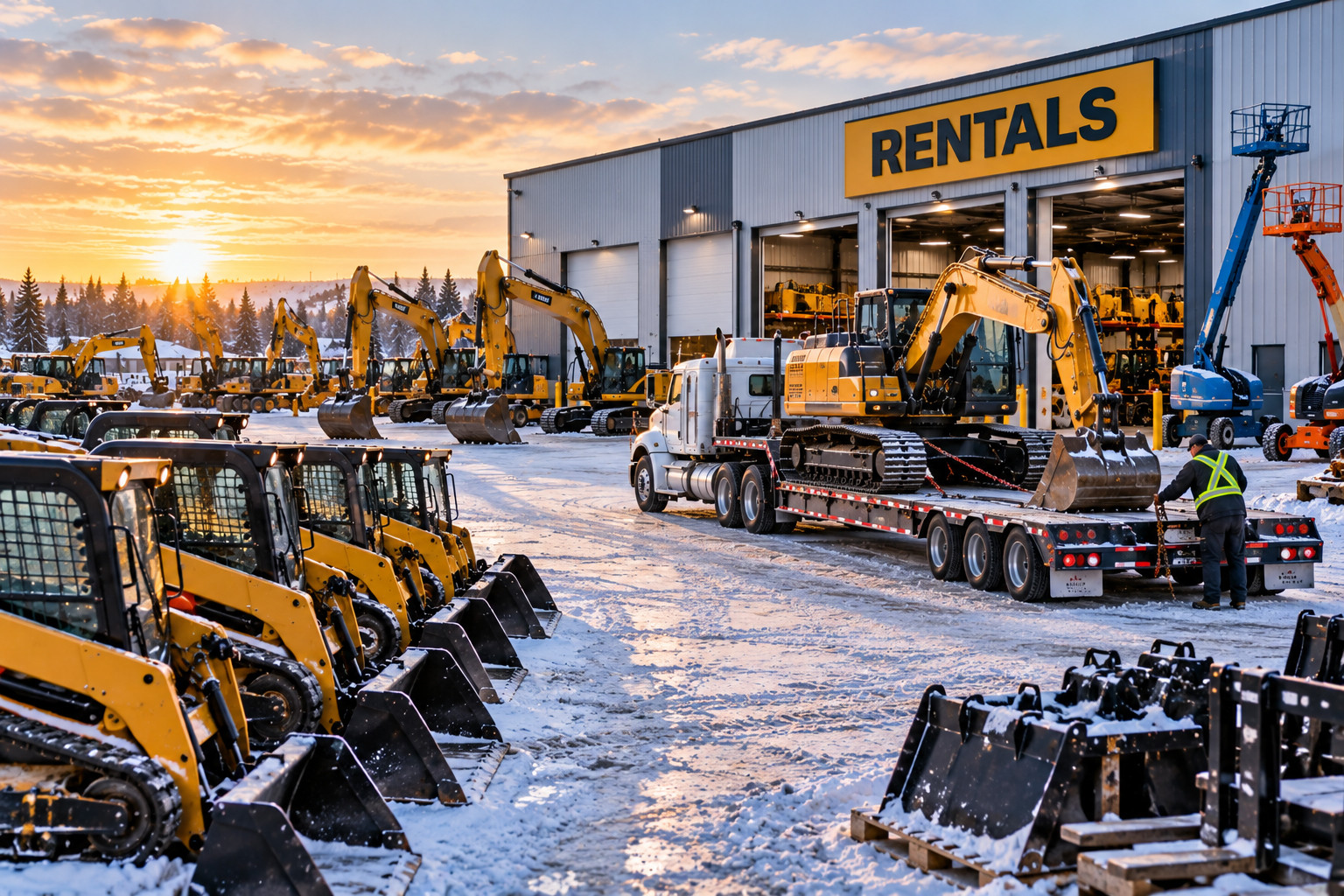
Equipment rental businesses can be worth approaching during a seasonal layoff. Although some rental activity slows during winter, companies still need to manage fleets, prepare machinery for customers, inspect returned equipment, and maintain their yards. Operators who are comfortable moving multiple types of equipment may be especially useful. Rather than asking only whether a company needs an excavator operator, explain the full range of equipment you can safely operate and the other tasks you're prepared to perform. A rental company may not have an opening advertised under the title Heavy Equipment Operator, but it could have a position where those skills are relevant. |
 |
Use Your Existing Industry Contacts
One of the most valuable resources an operator has is their professional network.
Construction supervisors, foremen, mechanics, trucking contractors, and fellow operators often hear about upcoming projects before positions are widely advertised.
If you've built a reputation for reliability and safe equipment operation, those relationships can help you find your next opportunity.
Reach out to people you've worked with and let them know you're available.
Be specific about your qualifications, the equipment you operate, and whether you're willing to travel.
For example, saying that you're available for winter work operating excavators, loaders, or graders gives someone a much clearer idea of where you might fit than simply asking whether they know of any jobs.
Don't overlook former employers, either. A company that has laid off its construction crews may still have winter maintenance work or connections with contractors who are hiring.

Expand Your Job Search Beyond the Title "Heavy Equipment Operator"
One reason qualified operators miss opportunities is that they search for only one job title.
Employers may advertise similar positions under entirely different names.
Try searching for terms such as:
| Job search term | Potential opportunity |
| Equipment Operator | General equipment operation |
| Snow Removal Operator | Commercial and municipal snow clearing |
| Loader Operator | Quarries, yards, and industrial facilities |
| Plant Operator | Material processing and industrial operations |
| Yard Operator | Equipment rental and material handling |
| Road Maintenance Operator | Municipal and highway maintenance |
| Industrial Equipment Operator | Manufacturing and industrial sites |
| Seasonal Equipment Operator | Temporary winter contracts |
Use job boards, company career pages, municipal employment websites, union hiring halls where applicable, and industry contacts.
Also consider contacting employers directly. Smaller contractors may recruit through referrals or direct applications rather than maintaining extensive online job postings.
Make Your Resume Reflect More Than the Machines You've Operated
An employer wants to know more than whether you've operated a particular machine.
They also want to understand the type of work you've performed and the responsibilities you've handled.
For example, instead of writing:
Operated wheel loaders and excavators.
Consider a more detailed description:
Operated wheel loaders and excavators on commercial construction projects, performing material loading, excavation, site preparation, daily equipment inspections, and work around other personnel and machinery.
Where accurate, highlight experience involving:
• Working in extreme weather conditions
• Operating around utilities and other site hazards
• Reading grade stakes or using machine-control systems
• Performing daily inspections and identifying maintenance concerns
• Working independently or on remote job sites
• Operating multiple equipment types
• Training or assisting less experienced operators
Include current certifications and relevant safety training.
If you have experience with winter operations, make sure it's visible on your resume rather than buried under general construction experience.

Be Willing to Travel, but Understand the Costs
Sometimes the difference between finding work and remaining unemployed is geographic flexibility.
An operator living in a region with little winter construction may find opportunities in another province, state, or region where industrial projects continue throughout the year.
Remote work, rotational schedules, and camp-based employment can provide options for those willing and able to travel.
Before accepting a position, clarify the working conditions.
Find out whether the employer covers travel, accommodations, meals, and transportation to the job site.
Also ask about the expected duration of the project, the work schedule, overtime arrangements, and whether employment could continue beyond the winter.
A job offering a higher hourly wage may not necessarily leave you better off if you're responsible for substantial travel and accommodation expenses.

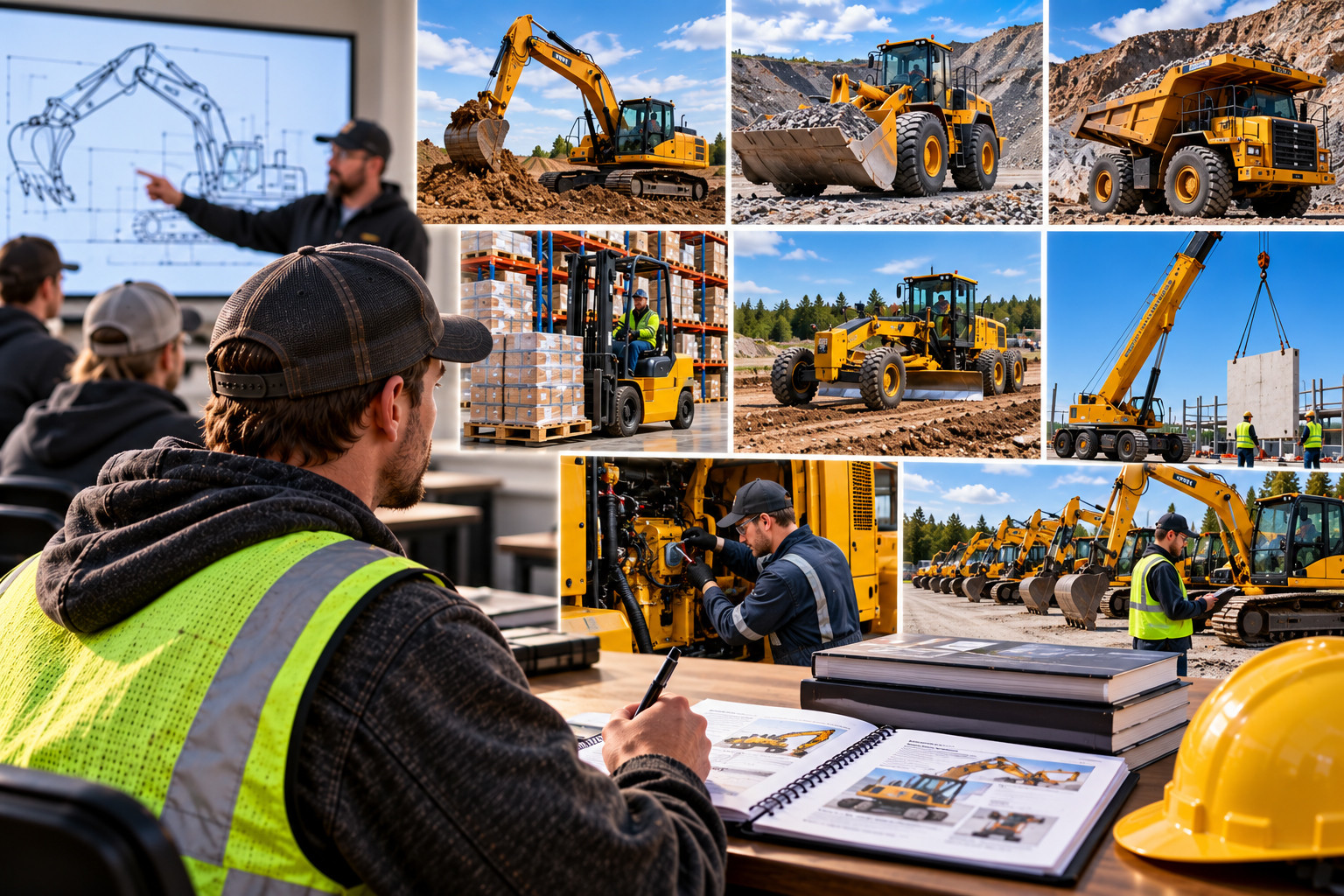
Consider Short-Term Training That Opens Additional Doors
A seasonal layoff can also provide an opportunity to expand your qualifications.
Depending on your experience and local employment market, additional training could make you eligible for positions that weren't previously available.
Potential options include commercial driver's licence training, equipment-specific certification, workplace safety courses, and training for specialized industrial environments.
Before paying for a course, review actual job postings and speak with prospective employers.
The goal isn't to collect certificates simply to have them. It's to identify qualifications that employers are genuinely requesting.
Also investigate whether employment programs, unions, or industry organizations offer training assistance for eligible workers.
Protect Your Opportunity to Return in the Spring
Finding winter employment can be especially complicated when you expect to return to your regular employer once construction resumes.
Before accepting another position, consider whether it fits your long-term plans.
Some employers offer temporary contracts that naturally end before spring, while others may expect a longer commitment.
If you're hoping to return to your previous position, maintain communication with your employer and ask when they anticipate recalling employees.
Don't assume that a spring recall is guaranteed unless the arrangements and applicable employment rules support that expectation.
Be professional with both employers, and avoid promising availability you cannot reasonably provide.

Don't Overlook Temporary Work Outside the Industry
Sometimes the best short-term option has nothing to do with heavy equipment.
Warehousing, delivery operations, manufacturing, retail distribution, and other industries may need additional employees during the winter months.
Taking a temporary position outside construction doesn't erase your experience as an operator.
It can provide income, maintain a working routine, and help bridge the gap until your preferred industry begins hiring again.
The important thing is to consider the practical realities of the position, including pay, transportation, scheduling, and whether it interferes with any existing employment commitments.
Start Your Winter Job Search Before You're Laid Off
One of the biggest advantages an operator can give themselves is preparation.
If you know your construction season typically ends around the same time each year, begin exploring winter opportunities several weeks before the expected slowdown.
Update your resume, contact potential employers, reconnect with industry contacts, and identify companies that operate year-round.
Even if you're not immediately available, an employer may appreciate knowing when your current project is expected to finish.
You may also discover opportunities that begin just as your regular construction job ends, reducing or eliminating the gap between paycheques.

Winter Doesn't Have to Mean Putting Your Career on Hold
Seasonal layoffs are part of the reality of heavy equipment work in many regions, but they don't have to mean spending several months waiting for spring.
The same experience that makes you valuable on a construction site may also make you useful in snow removal, mining, industrial operations, equipment rental, and other year-round industries.
Finding off-season employment often requires looking beyond familiar job titles, contacting employers you might not normally consider, and being open to different types of work.
And while not every opportunity will be a perfect match, a temporary winter position can provide more than income. It can introduce you to new equipment, new industries, and professional contacts that may prove valuable throughout your career.
The construction season may be over, but your skills don't have an expiry date.
