How Operator Technique Affects Fuel Burn
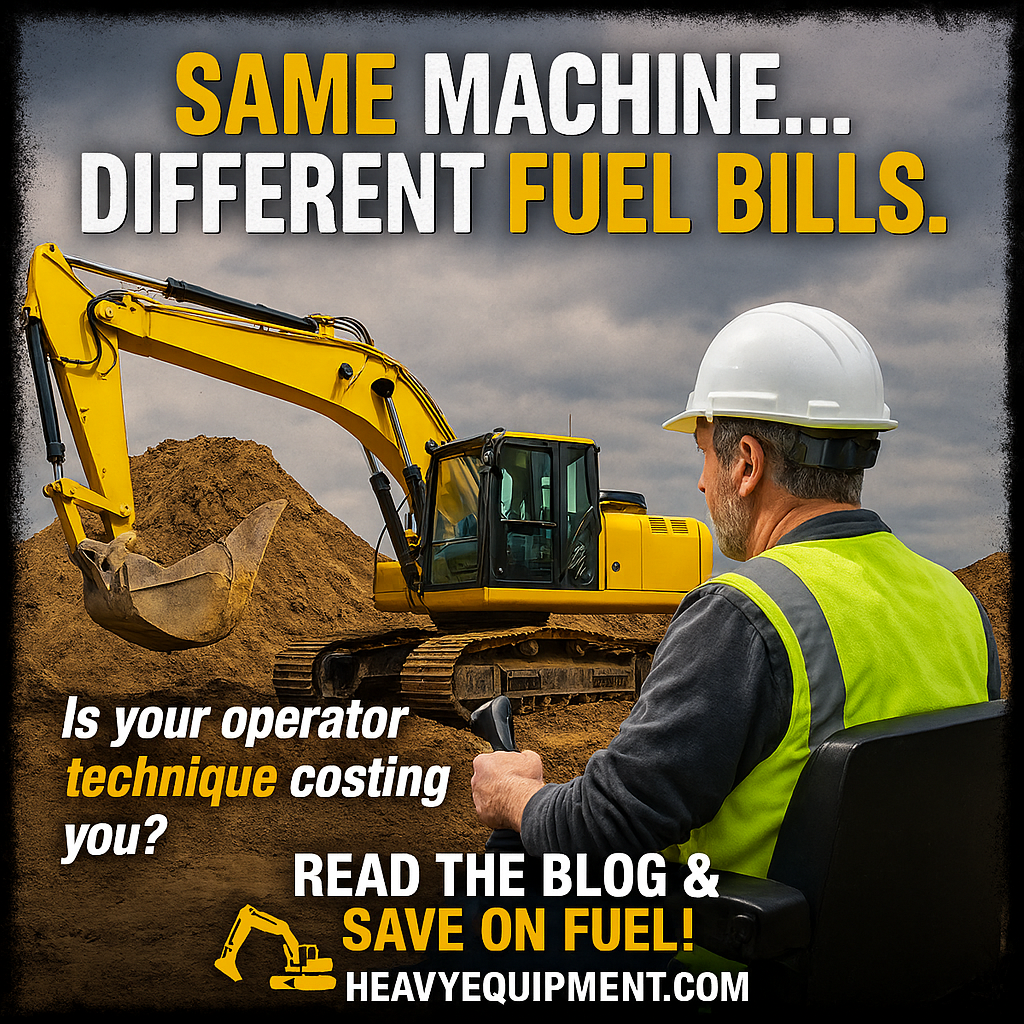
Fuel is one of the largest operating costs on any jobsite, yet it’s also one of the most controllable. While machine size, workload, and site conditions all play a role, operator technique often makes the biggest day-to-day difference in fuel burn. Two operators running the same machine on the same job can see dramatically different consumption—purely based on how they handle the controls.
Smooth Is Efficient
Aggressive throttle inputs, sudden stops, and jerky movements force machines to work harder than necessary. Every time an operator slams the controls, the engine responds with a spike in fuel consumption. Smooth, deliberate inputs allow the machine to maintain consistent RPMs and reduce unnecessary fuel burn.
This is especially noticeable in excavators and loaders, where coordinated movements—like lifting, swinging, and dumping in one fluid motion—can significantly cut cycle times and fuel use.
Idle Time Adds Up Fast
One of the most common (and costly) habits is excessive idling. Many operators leave machines running during breaks or while waiting for trucks, assuming it has minimal impact. In reality, idle time can account for a significant portion of daily fuel consumption.
Modern machines often include auto-idle or shutdown features, but they only work if operators use them properly. Reducing idle time is one of the easiest ways to improve fuel efficiency without affecting productivity.
Proper Throttle Management
Running at full throttle all the time doesn’t mean better performance—it usually means wasted fuel. Most machines are designed to operate efficiently within a specific RPM range. Skilled operators adjust throttle based on the task, using only the power required to get the job done.
For example, fine grading or light material handling rarely requires maximum engine speed. Matching throttle to workload reduces fuel burn and minimizes wear on components.
Minimize Unnecessary Movement
Every extra movement—whether it’s over-swinging an excavator or repositioning a loader too often—costs time and fuel. Efficient operators plan their work area to reduce travel distances and unnecessary repositioning.
Good technique includes:
- Positioning trucks and stockpiles strategically
- Limiting swing angles
- Reducing track or tire movement whenever possible
These small adjustments compound into measurable fuel savings over a full shift.
Use Machine Features Properly
Modern heavy equipment is equipped with fuel-saving technologies like eco modes, load-sensing hydraulics, and automatic idle controls. However, these features only deliver value when operators understand and use them correctly.
Operators who ignore or override these systems often end up burning more fuel than necessary. Proper training ensures that built-in efficiencies are fully utilized.
Maintenance Still Matters
Even the best operator technique can’t overcome poor maintenance. Dirty air filters, underinflated tires, worn components, or improper fluid levels all increase fuel consumption.
That said, a skilled operator will often notice performance issues early—helping prevent inefficiencies before they become costly problems.
Training Pays for Itself
Investing in operator training is one of the highest ROI decisions a fleet can make. Improving technique doesn’t just reduce fuel burn—it also:
- Lowers wear and tear on equipment
- Reduces downtime
- Improves safety
- Increases overall productivity
Even a small improvement in fuel efficiency across a fleet can translate into thousands of dollars in annual savings.
The Bottom Line
Fuel efficiency isn’t just about the machine—it’s about the person in the seat. Smooth operation, smart planning, and proper use of equipment features can significantly reduce fuel burn without sacrificing output.
In an industry where margins are tight and costs are rising, operator technique isn’t just a skill—it’s a competitive advantage.