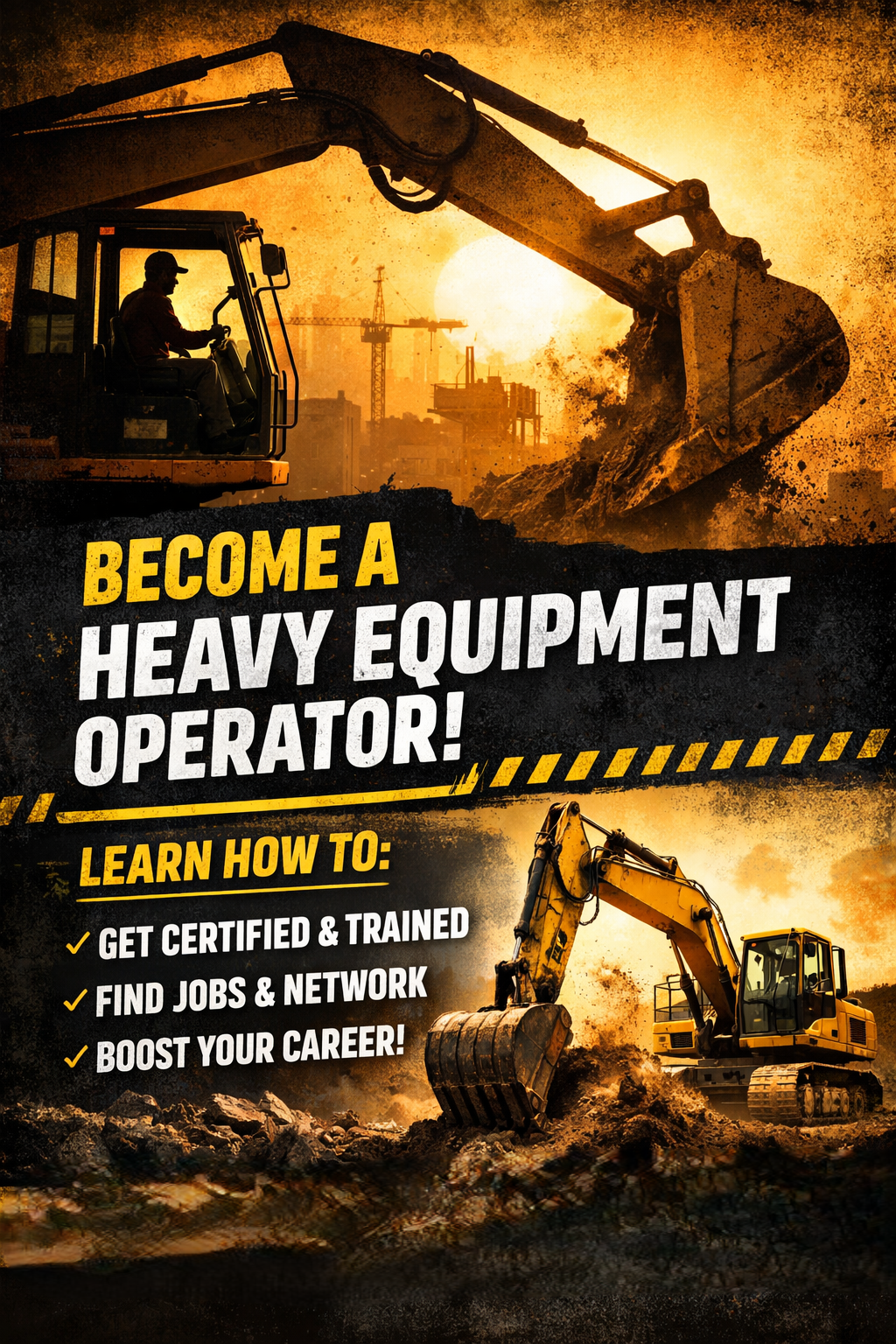
How Do I Find Work as a Heavy Equipment Operator? A Step-by-Step Guide
Getting behind the controls of a bulldozer, excavator, or crane can be an exciting and rewarding career. But breaking into the heavy equipment industry—or finding your next job as a seasoned operator—takes more than just skill on the machine. Whether you’re a newcomer or an experienced operator looking for your next gig, here’s a practical guide to finding work as a heavy equipment operator.
Build the Right Skills and Certifications
Before employers will trust you with a $200,000 machine, you need to show you know your stuff. Here’s how:
- Complete formal training: Many community colleges, vocational schools, and technical institutes offer heavy equipment operation programs. These programs cover safety, machine operation, and basic maintenance.
- Get certified: Depending on your location, certifications like the NCCER (National Center for Construction Education & Research) or OSHA safety certifications can boost your employability.
- Specialize: Operators who can handle specific machines—like cranes, sidebooms, or wheel loaders—often have an advantage in niche markets.
Tip: Logging your hours and types of machines operated can serve as proof of experience for employers.
Network in the Industry
Finding work in heavy equipment often comes down to who you know.
- Join trade associations and unions: Organizations like the Operating Engineers union provide job boards, training, and networking opportunities.
- Attend industry events: Construction expos, mining conferences, and heavy equipment shows are great places to meet employers and recruiters.
- Connect online: LinkedIn and specialized forums (like HeavyEquipment.com) can be a goldmine for job leads and industry contacts.
Remember: Many positions are filled through word of mouth before they even hit online listings.
Leverage Job Boards and Recruitment Agencies
While networking is key, there are plenty of formal channels for finding work:
- General job boards: Sites like Indeed, Glassdoor, and Monster often list construction and heavy equipment operator positions.
- Industry-specific sites: HeavyEquipment.com, ConstructionJobs.com, and MiningJobs.com focus on your field.
- Recruitment agencies: Some staffing firms specialize in construction and industrial placements and can match you with short-term or permanent roles.
Tip: Keep your resume updated with machines you operate, certifications, and key project experience.
Consider Temporary or Contract Work
Temporary or contract positions can be a stepping stone:
- They provide hands-on experience with different machines and job sites.
- They allow you to demonstrate reliability and skill, often leading to permanent employment.
- They help you build a professional network faster than job applications alone.
Quick note: Always make sure the contract offers proper safety protections and insurance coverage.
Keep Learning and Adapting
The heavy equipment industry evolves quickly, and operators who stay current are in higher demand:
- Learn new machines: Hybrid, electric, and remote-controlled machines are becoming more common.
- Stay on top of safety standards: OSHA updates and industry best practices can make you a more attractive hire.
- Develop soft skills: Communication, teamwork, and problem-solving are highly valued on construction and mining sites.
A commitment to lifelong learning can make the difference between steady work and months on the sidelines.
Be Persistent and Professional
Finding the right position may take time. Some final tips:
- Show up early and prepared for interviews or on-site assessments.
- Be honest about your experience and certifications.
- Follow up with potential employers—persistence often gets noticed in a hands-on industry.
Finding work as a heavy equipment operator is a mix of skill, networking, and persistence. By building your qualifications, connecting with the industry, leveraging job boards, and keeping your skills sharp, you can land the opportunities that put you behind the controls of some of the most powerful machines in the world.
Whether you’re just starting out or looking to move up in your career, the key is to stay proactive, stay safe, and never stop learning. Your next heavy equipment job could be just a few applications—or conversations—away.